Gothenburg
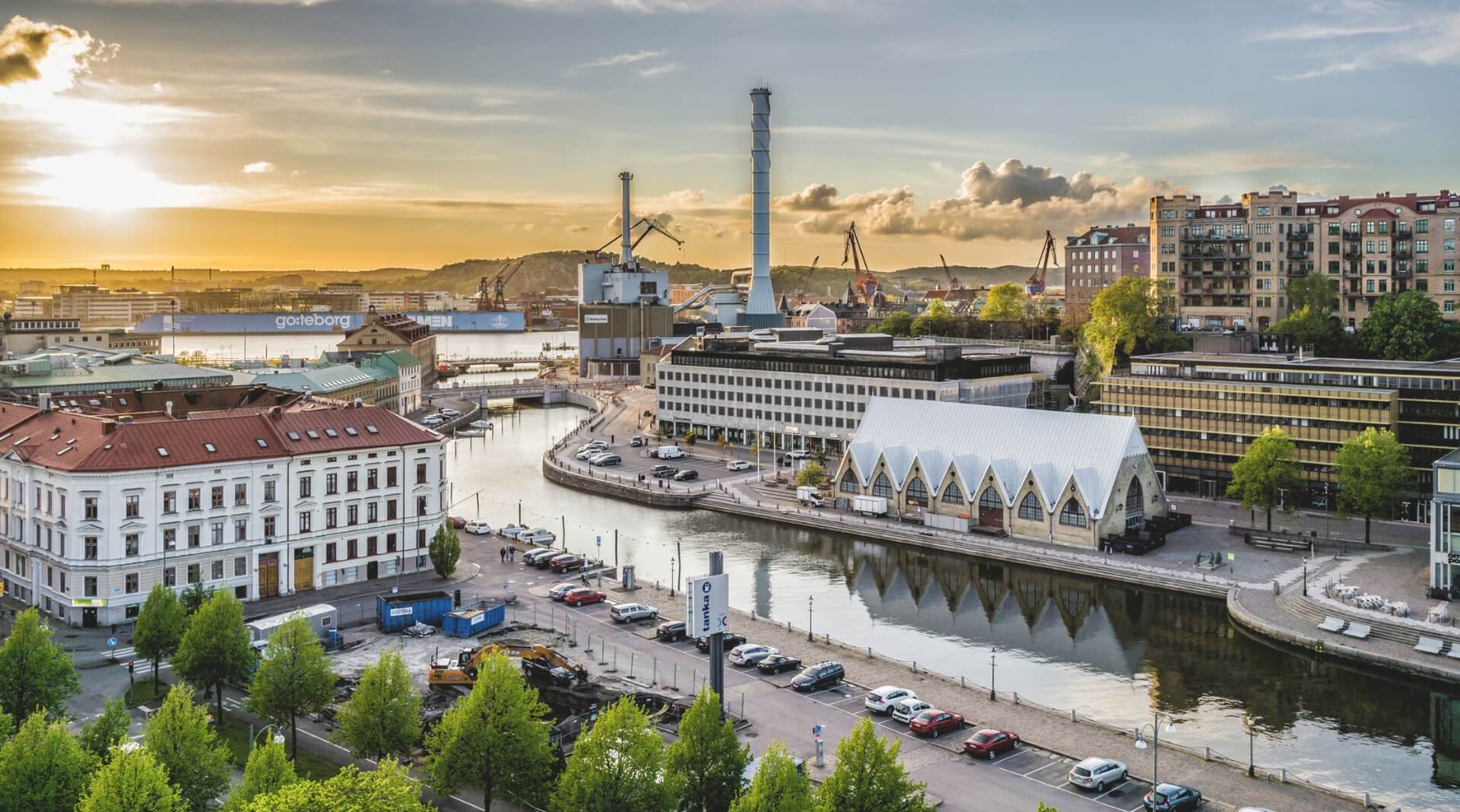
There are cities that speak loudly about the future. Gothenburg does something quieter: it improves the present. Progress here is incremental and visible in daily life — in how people move through the city, how they eat, how public space is shared, and how institutions collaborate.
This is not sustainability as headline. It is sustainability as habit. For seven consecutive years, Gothenburg has topped the Global Destination Sustainability Index — a record built not on marketing ambition but on long-term stakeholder alignment, honest measurement, and a willingness to keep evolving.
A Visitor Economy Designed Around Daily Life
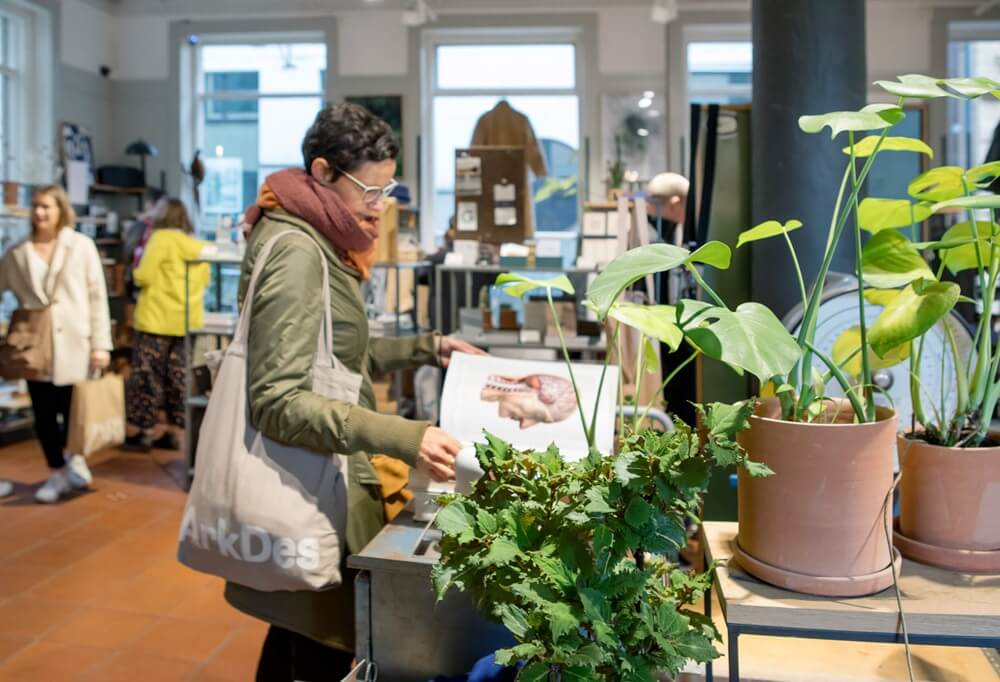
Gothenburg approaches tourism as part of its wider urban system. Development is guided by a simple principle: the destination must first work for residents if it is to remain credible for visitors. Long-standing partnerships between municipal authorities, universities, industry clusters and community organisations align tourism with broader urban goals.
Visitors experience this directly. The city's compactness, closeness to water and nature, and strong public infrastructure allow it to welcome the world without losing its rhythm. Sustainable choices are not positioned as alternatives — they are defaults.
Infrastructure That Moves Lightly
The city's scale enables low-impact travel. Most districts can be reached on foot or by bicycle. A well-established rental bike system, an extensive tram network running on fossil-free electricity, and an increasingly electrified fleet of buses and ferries make sustainable mobility feel effortless.
Movement becomes part of the visitor experience — travelling across water by ferry, arriving at cultural venues by tram, or moving between city and coastline without reliance on private cars. Collaboration between public authorities, research institutions and mobility companies turns Gothenburg into a living platform for applied innovation in transport.
Sustainability in Hospitality and Food
Environmental responsibility has become a shared standard across the hospitality sector. In 2024, 96% of hotel rooms in the city were environmentally certified, positioning Gothenburg among the world's leading green hotel destinations. Visitors do not need to search for responsible options — renewable energy, waste reduction and circular sourcing are integrated across the city.
The same logic shapes food culture. Rooted in the West Coast landscape, restaurants build menus around seasonal produce and seafood, treating sustainability as culinary precision rather than restriction.
Events as Civic Tools
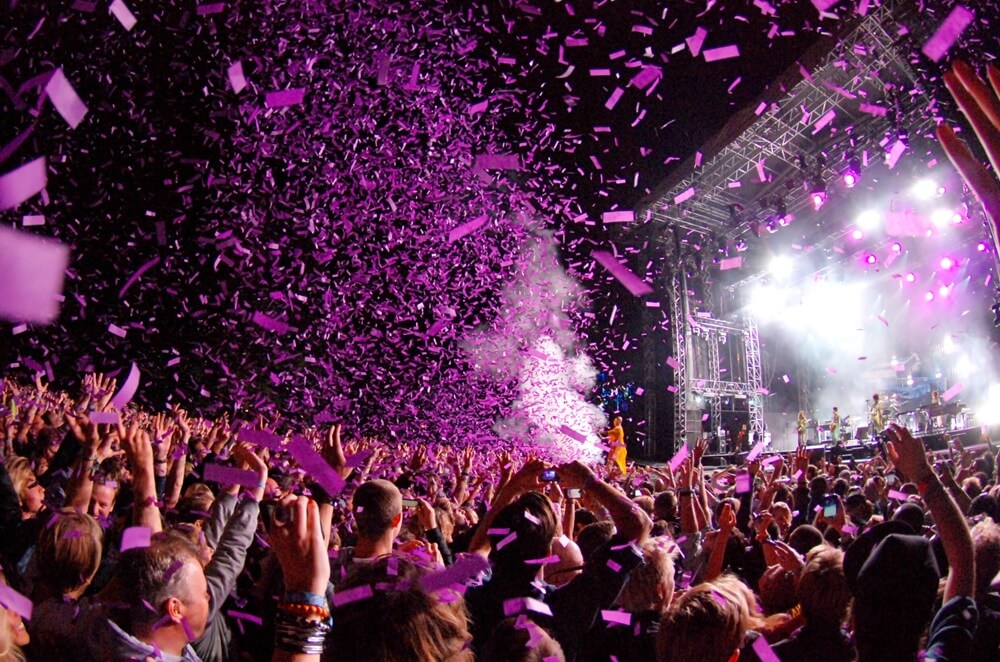
Gothenburg is one of Scandinavia's most active event cities, yet gatherings are treated as instruments of public value. Way Out West has served fully vegetarian food for over a decade. The Gothenburg Culture Festival has piloted disposable-free systems with measurable outcomes. Events reinforce the city's values rather than sitting apart from them.
The meetings strategy follows the same approach. Conferences connect directly with local research agendas in sustainable mobility, life sciences and climate solutions. Hosting is framed less as volume and more as legacy — ensuring that international gatherings contribute to long-term urban development.
Behind the Scenes
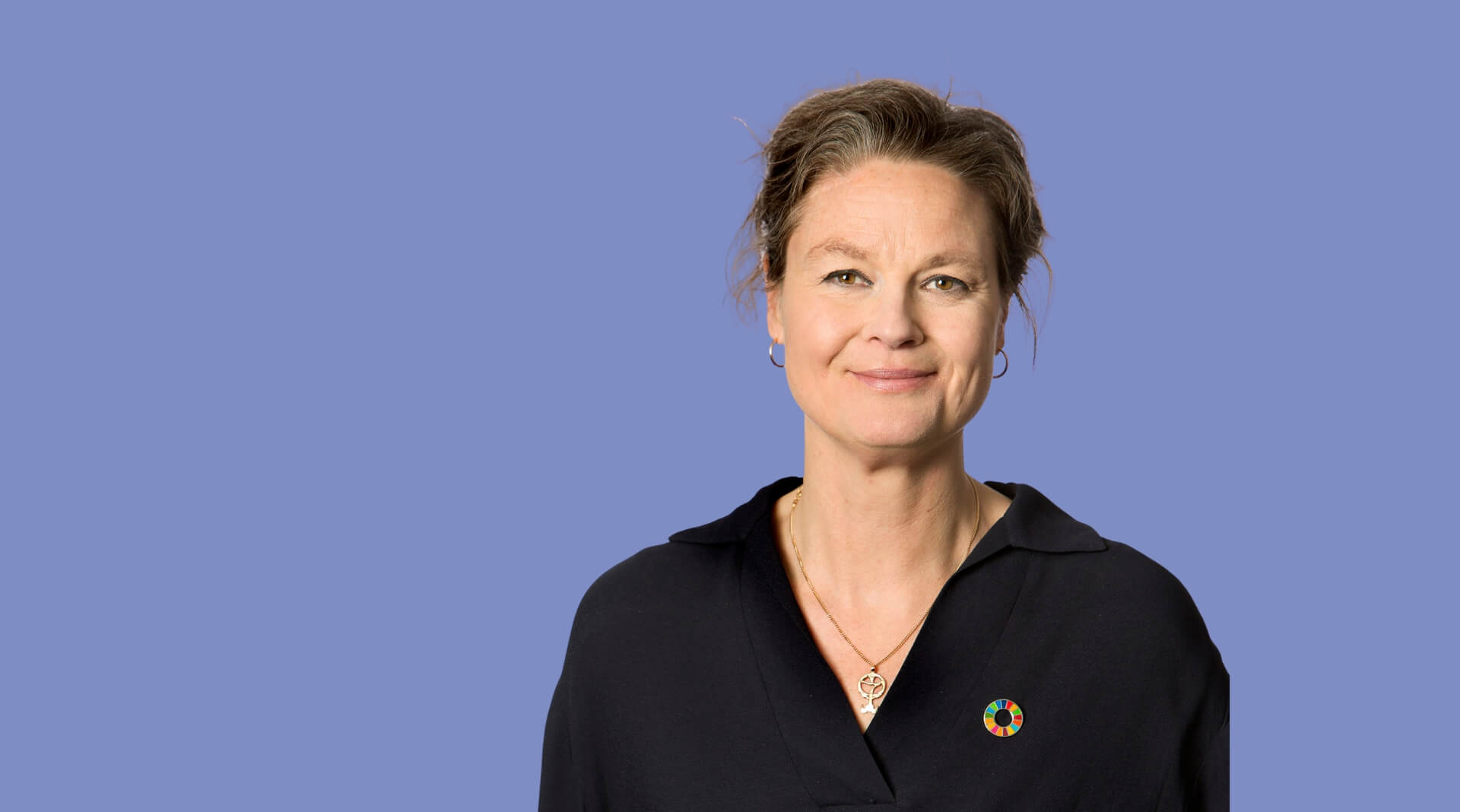
In conversation with Katarina Thorstensson, Sustainability Strategist at Göteborg & Co. We explore how Gothenburg integrates environmental responsibility into everyday systems — from mobility and hospitality to events and research collaboration — positioning tourism not as a separate industry, but as part of the city's long-term civic development.
What Gothenburg Demonstrates
Gothenburg demonstrates that destination leadership does not require spectacle. Its reputation has been built through cumulative coordination — openness, innovation and sustainability functioning as integrated civic systems rather than promotional themes.
Branding here becomes almost invisible. The city improves the present, steadily and pragmatically. In doing so, it quietly shapes the future.
Follow Gothenburg online
Want to feature among our Places to Watch?
We highlight the world’s most forward-thinking cities, regions, and countries through our online showcases, annual Yearbook, and regional special editions.
Get in touch to explore options.