
Placemaking: What It Is and How It Works
Placemaking is about shaping public spaces and neighbourhoods together with the people who use them, so that they become places people want to spend time in. For place branding, it is where a place's promise becomes something people can see and feel.
This guide brings together what practitioners have learned and what research shows, from more than ten years of interviews, case studies and research summaries on The Place Brand Observer.
In short
What it is
A people-centred approach to the planning, design and management of public space, from small temporary projects to long-term neighbourhood development.
Why it matters
Lively, attractive places help keep residents, attract talent and visitors, and give a city or region a reputation that is grounded in everyday experience.
What works
Involving residents from the start, testing ideas with small and quick projects, local ownership and management, and linking places to the wider story of the city.
Start here
Our most useful pieces on the topic
Eight Examples of Community-Centric Place Branding
Places that built their brand with and for their communities, and what others can learn.
Read →AnalysisWho Brands a Neighbourhood?
Business improvement districts and other models for shaping and promoting parts of a city.
Read →ResearchHow Gamified Placemaking Can Reconnect Us with Cities
How playful approaches can help people engage with and shape the places they live in.
Read →From practice: case studies
How cities and communities create places people want to spend time in.

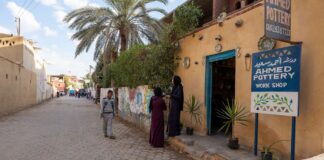
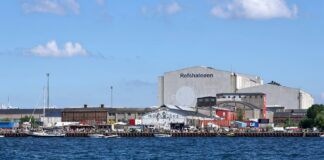
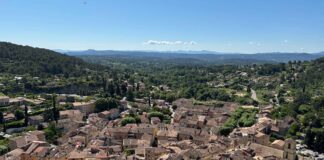
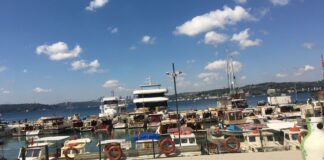

Placemakers in conversation






From research
Summaries of academic research on placemaking and place development, written for people who work in the field.

Publications
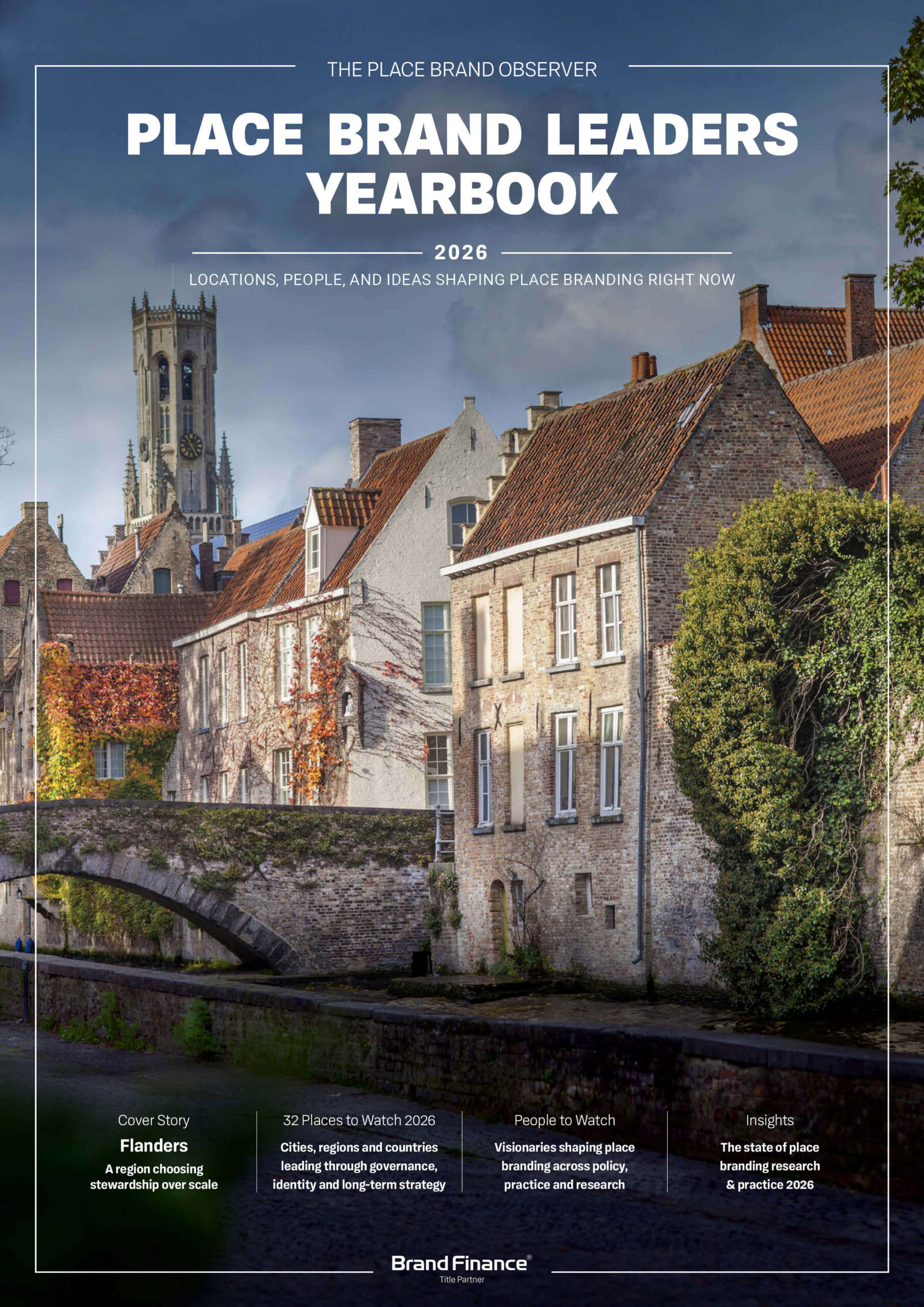
Place Brand Leaders Yearbook
Our annual yearbook on the places and people setting the standard in place branding, with case studies and interviews.
Explore →
An Insider's Guide to Place Branding
Expert interviews and research insights on brand development and reputation management for cities, regions and countries (Springer).
More about the book →How does your place come across?
We look at how your place presents itself on one topic of your choice, and compare it with other places we follow. An editorial reading, free and without obligation.