Flanders
Across Europe, destinations are rethinking what sustainable leadership means. Flanders offers a clear example: a region that treats tourism and international convening as part of a wider civic system, built on coordination rather than scale.
Rather than relying on a single metropolitan centre, Flanders operates as a connected network of compact historic cities, where heritage, knowledge and event strategy align through shared principles of sustainability and legacy.

A Region of Small Cities
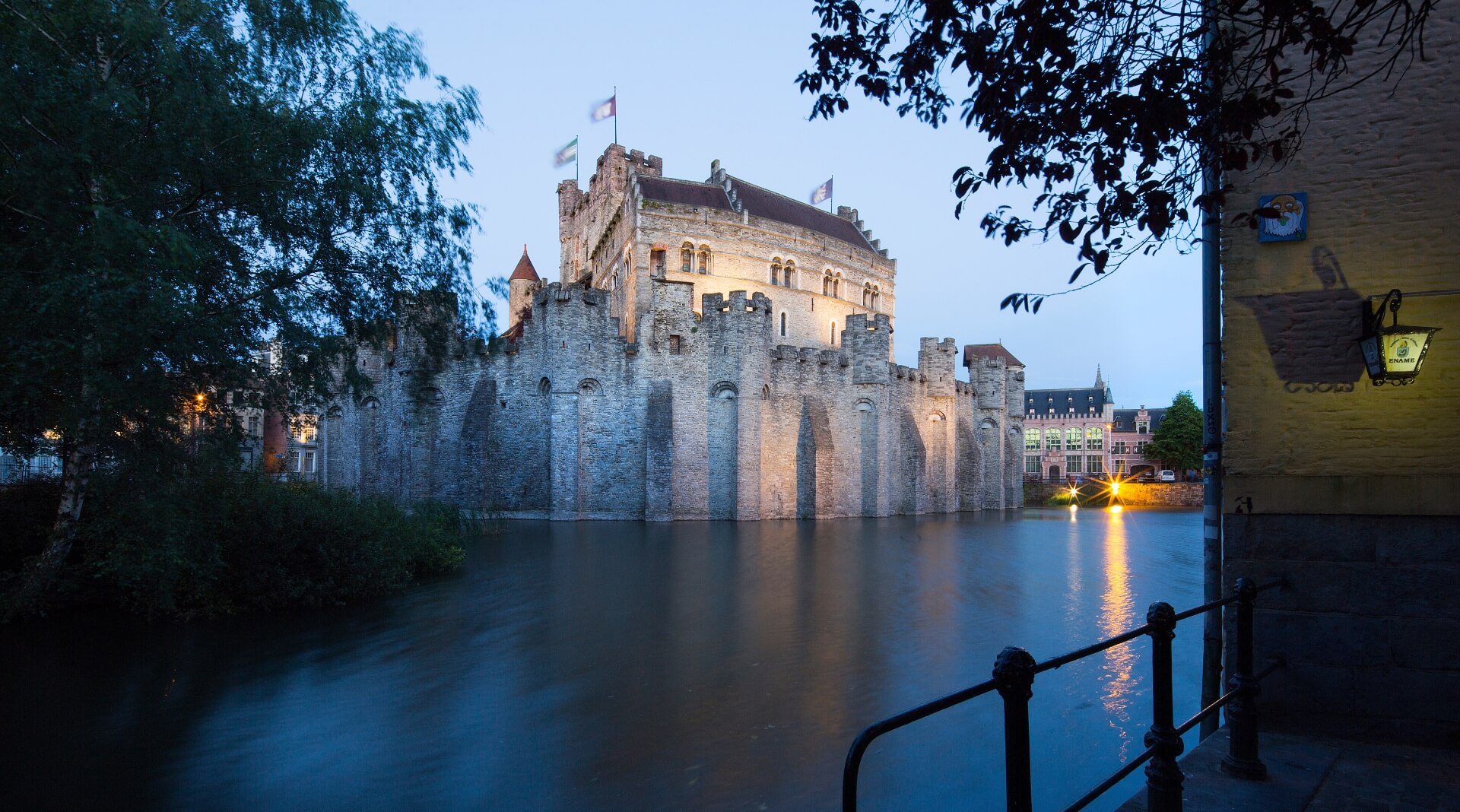
Flanders reveals itself gradually. Its cities were shaped by trade, craft and civic life; places where history is not preserved at a distance but integrated into the present. Market squares still structure daily life, waterways still guide movement, and heritage buildings continue to frame public space.
The rhythm is human. Much of the region is experienced on foot, moving easily between culture and the everyday. Known for its Flemish Masters, gastronomy and cycling culture, Flanders stands out less for spectacle than for scale. Each city has its own character, yet because they sit so close together, visitors move between atmospheres without losing coherence.
Where Cities Work as One
Flanders stands out less for a flagship city than for how easily its cities work together. Bruges, Ghent, Antwerp and Leuven each provide distinct settings, yet their proximity allows organisers to combine them without adding logistical complexity. The Flanders Convention Bureau operates less as a promotional layer and more as connective tissue, aligning venue fit, local expertise and stakeholder engagement across cities.
Accessibility begins with Brussels Airport and rail connectivity, but the real advantage starts after arrival. Short internal distances keep meetings, hotels and social moments close, while the region's depth of knowledge across universities, research centres and industry clusters ensures conferences are embedded in local ecosystems rather than imported for a week.
Variety is available, but it does not interrupt flow. What emerges is a regional hosting model that is confident without being loud. It does not rely on scale. It relies on coordination.
Meetings that Create Impact
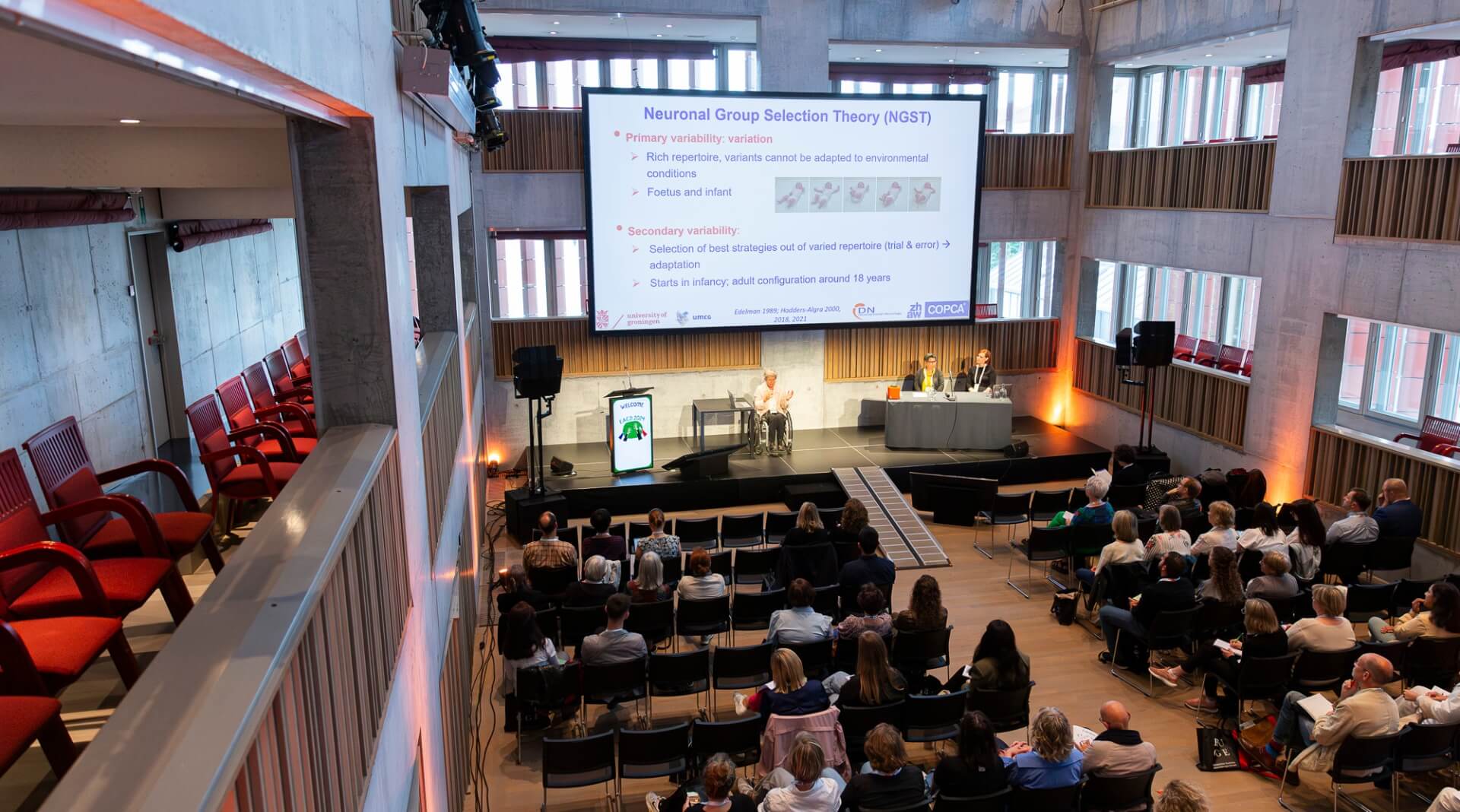
The Flanders Convention Bureau operates as a coordinator rather than a promoter, focusing on venue fit, local expertise, stakeholder alignment and legacy planning across a distributed network of city convention bureaus.
Conferences are framed as catalysts rather than isolated events. Through its Impact Methodology with #Meet4Impact, organisers define milestones, mobilise stakeholders and measure outcomes — ensuring events leave knowledge and lasting benefit behind.
Sustainability is a design principle, not an add-on. From rail accessibility and local sourcing to Green Key-certified heritage venues, Flanders embeds responsible practice at every level, reinforced through its membership of the International Impact Alliance.
Behind the Scenes
In conversation with Lynn Dauwe, Hub Coach Marketing at VISITFLANDERS, and Evelyne Bardyn, Head of the Flanders Convention Bureau. Together, they explain how Flanders aligns heritage, sustainability and innovation into one coherent place narrative.

What Flanders Demonstrates
Flanders demonstrates how a region can compete internationally without relying on a single metropolitan centre. Reputation is carried through coordination between cities, institutions and sectors, showing how destination leadership can emerge from systems thinking rather than scale.
Proximity becomes strategy. Coordination becomes brand. Sustainability becomes lived experience.
Follow Flanders Online
More places to explore
Discover other cities and regions featured by TPBO for their distinctive approaches to place positioning and development.
Explore the collection →