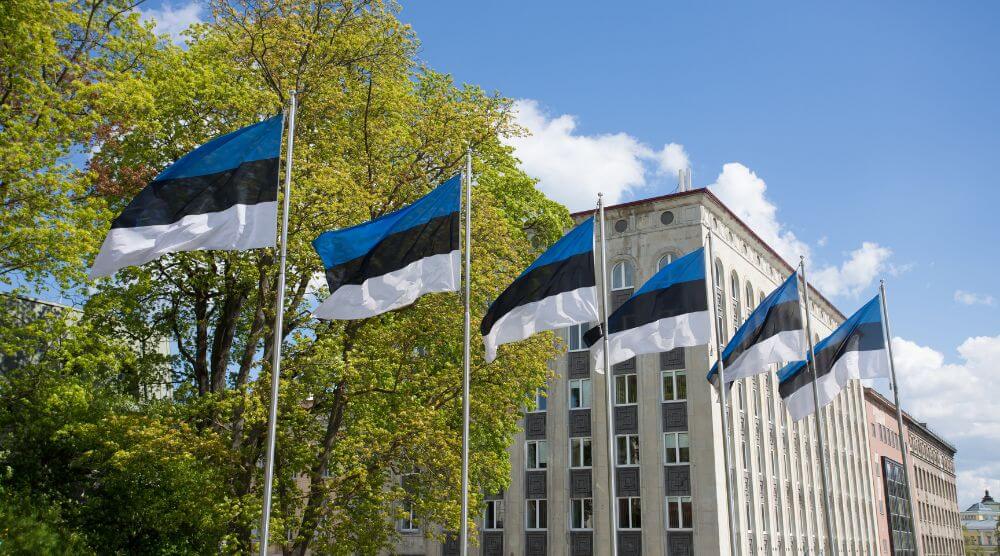
Estonia is the clearest example in TPBO’s record of a small country building its reputation around one idea. As the first digital state, with e-residency open to anyone in the world, it has become a reference point for how government can work, far beyond its size.
This profile looks at how Estonia is positioned, how it is read from outside, and where the two pull apart, drawing on the major rankings alongside our own coverage of the country.
Country Brand Strength
Estonia’s brand rankings have risen quickly from a low base. It jumped forty places to around fiftieth in Brand Finance‘s Global Soft Power Index in a single year, and sits in the fifties of U.S. News’ Best Countries, strongest for being open for business and for social purpose.
Kata Varblane, Estonia’s Director of Country Promotion, told us that the country’s image surveys show a clear pattern: Estonia is not well known globally, but people who know it see it very positively, above all for ease of doing business, education and sustainability. She described the brand in three words, future-oriented, easy and digital, and its recent refresh as rooted in how Estonians think and act. New Zealand, she said, has become a role model.
Other place leaders look to Estonia in turn. Hamburg Marketing’s Stefan Nöthen named it as an example of how consistently a place can become associated with a future-oriented topic.
Economic Position
Estonia ranks in the mid-twenties of IMD’s World Competitiveness Ranking, strong on government efficiency and weaker on recent economic performance. The European Innovation Scoreboard places it among the strong innovators. Varblane points to roughly tenfold GDP growth over three decades as the story behind the brand.
Appeal to Talent
Estonia sits around twentieth in INSEAD’s Global Talent Competitiveness Index and ranks first for work culture and satisfaction in expat surveys. Varblane described a new national AI programme for schools and tech education for girls as part of building future talent at home.
Sustainability and Quality of Life
Estonia ranks in the top ten of the Sustainable Development Report and the top fifteen of the Environmental Performance Index. In Tallinn, Hele Lõhmus told us how the capital is building smarter and more sustainable tourism.
Varblane is candid that nature and culture are hard areas for a small country to compete in. Estonia uses them, from its National Song and Dance Festival to its islands, but its digital story does most of the work abroad.
What Stands Out
Estonia has what most small countries lack: one idea that people outside associate with it, backed by systems they can actually use.
In TPBO’s reading, its challenge is reach rather than message. Those who know Estonia see it as the brand describes it. Most of the world does not know it yet, and its brand team is now telling the story through people rather than technology, which is a sensible next step for a country whose digital lead others are catching up with.
Those who know Estonia see it as the brand describes it. The gap is one of awareness: many people have not yet looked it up.
Many countries call themselves digital. Estonia is the one others name when they mean it.
E-residency and digital public services are working proof. Recent economic performance has been weaker than the brand suggests.
Positions are relative to the places in TPBO’s editorial record and based on public material only.
Want the same reading for your own place? Request a free Positioning Check →
From Our Archive
- 2026Stefan Nöthen on building Hamburg’s international awareness (on Estonia as an example)
- 2025Kata Varblane on leading Estonia’s evolving nation brand strategy
- 2025Hele Lõhmus on Tallinn’s path to smarter, more sustainable tourism
- 2018Nordic Place Branding Conference, Copenhagen
About this profile. We combine the main international rankings, including Brand Finance‘s Global Soft Power Index, with our own interviews and reporting. Rankings change every year, so positions are described in broad terms. See the rankings and indices we follow, or explore our other country profiles.