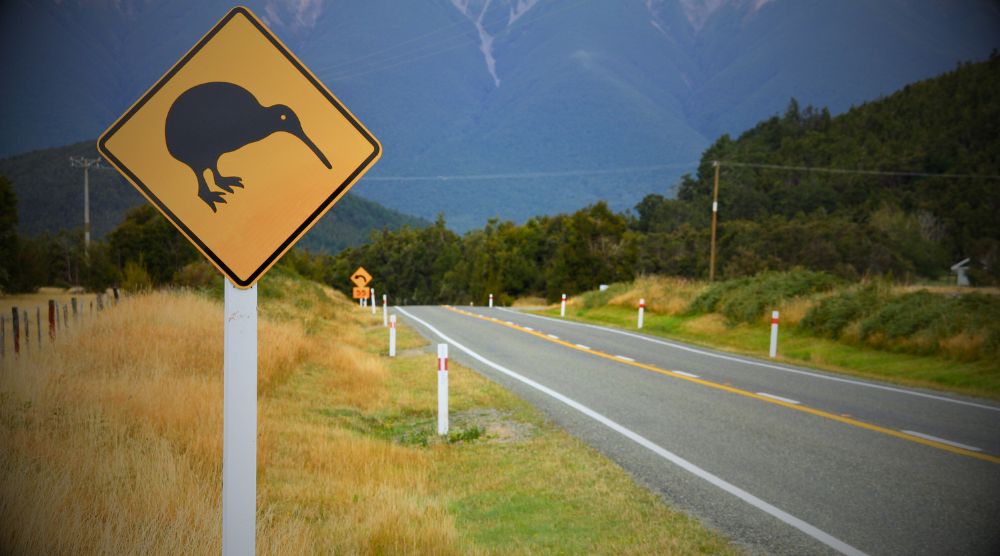
New Zealand has one of the most recognisable country brands in the world. 100% Pure New Zealand is among the best-known destination campaigns of the past quarter century, and the idea of a clean, green country has shaped how New Zealand is seen far beyond tourism.
This profile looks at how New Zealand is positioned, how it is read from outside, and where the two pull apart, drawing on the major rankings alongside our own coverage of the country since 2015.
Country Brand Strength
New Zealand ranks in the top ten of U.S. News’ Best Countries, in the mid-teens of the Anholt-Ipsos Nation Brands Index and in the twenties of Brand Finance‘s Global Soft Power Index, scoring highest for agility, social purpose and adventure.
The brand is carried by several organisations. Kevin Bowler of Tourism New Zealand described to us the successes and challenges of 100% Pure. Rebecca Smith and later David Downs of New Zealand Story explained how the country brand reaches beyond tourism to business, education and innovation. Air New Zealand, as Christopher Luxon told us, carries it on every flight.
Economic Position
New Zealand ranks around thirtieth in IMD’s World Competitiveness Ranking, with its economic performance weaker than its government efficiency and infrastructure. Its country brand for trade and investment ranks second in its region in Bloom Consulting’s trade edition.
Appeal to Talent
New Zealand sits just inside the top twenty of INSEAD’s Global Talent Competitiveness Index. Expat surveys rate it highly for environment and climate but place it in the bottom third overall.
Sustainability and Quality of Life
New Zealand is among the world’s leaders on governance and peace: second in the Corruption Perceptions Index, in the top five of the Global Peace Index and in the top ten of the World Happiness Report.
Its environmental results are more modest. It ranks in the mid-twenties of the Environmental Performance Index and in the forties of the Sustainable Development Report. Our 2016 series on clean, green New Zealand looked at where that gap comes from, how the media have covered it, and what it means for the credibility of the brand. At local level, Rachel Vaughan told us how Kaikoura spent seventeen years building sustainability into council planning.
What Stands Out
New Zealand’s brand is strong, distinctive and widely shared, and its governance, peace and wellbeing results support much of it.
In TPBO’s reading, the brand’s central promise is also its most exposed point. Clean and green is what people expect of New Zealand, and the environmental rankings place it well below that expectation. The question has been raised for more than a decade, and it matters more as sustainability becomes something audiences check rather than take on trust.
What New Zealand says about itself and what people find are close: landscapes, nature and a clean, green image.
100% Pure is one of the few destination brands people can name. Nature as a claim is shared, but few countries own it as clearly.
Governance, peace and wellbeing rankings back the brand. Environmental rankings sit well below the clean, green promise.
Positions are relative to the places in TPBO’s editorial record and based on public material only.
Want the same reading for your own place? Request a free Positioning Check →
From Our Archive
- 2024New Zealand country showcase
- 2022David Downs on the next chapter of the New Zealand Story
- 2021Brand New Zealand: reputation strengths and positioning opportunities
- 2018Rebecca Smith on the New Zealand Story and country branding
- 2018Rachel Vaughan on destination sustainability in Kaikoura
- 2016New Zealand: the intriguing story of a destination brand
- 2016Place brand credibility: example clean, green New Zealand
- 2016Andrea Insch on Brand New Zealand and nation branding in Asia
- 2015Kevin Bowler on New Zealand destination marketing strategies and challenges
- 2015Christopher Luxon on the role of Air New Zealand in destination branding
About this profile. We combine the main international rankings, including Brand Finance‘s Global Soft Power Index, with our own interviews and reporting. Rankings change every year, so positions are described in broad terms. See the rankings and indices we follow, or explore our other country profiles.