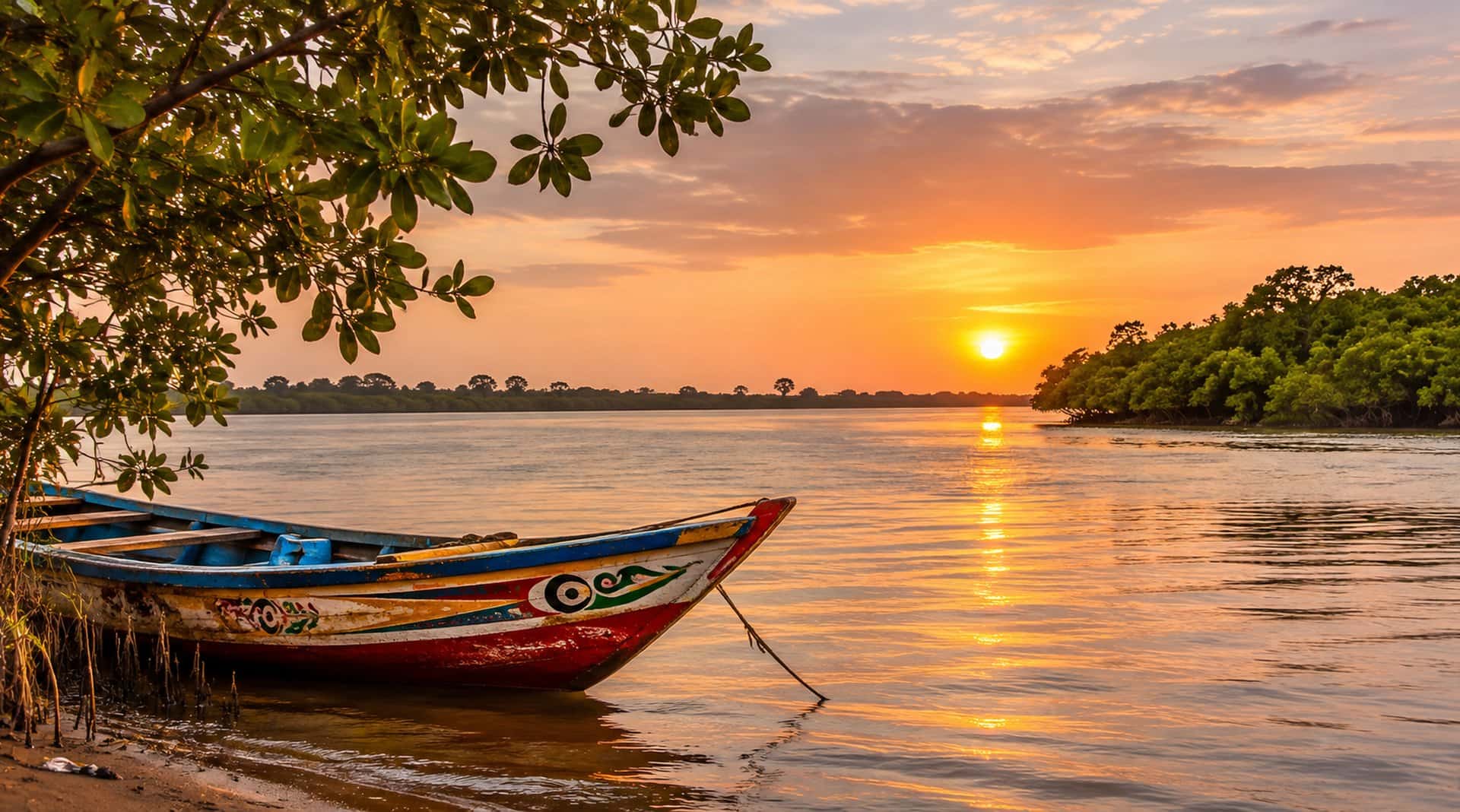
The Gambia is a small West African country along the Gambia River. For many European travellers it is a winter beach destination, with a short season from November to April.
This profile looks at how The Gambia is positioned, how it is read from outside, and where the two pull apart, drawing on our archive and the international rankings we follow.
Country Brand Strength
The Gambia is building its national positioning from the ground up. In our People to Watch 2026, we highlighted Abdoulie Jobe, Minister of Tourism, Arts and Culture, who is introducing a new brand identity together with a shared destination marketing framework and a broader investment promotion strategy. He was named World’s Best Minister 2026 at the World Government Summit in Dubai.
Brian Mullis, who now works with the ministry, told us that destinations must focus on travellers who are ready to book and make sure their content is clear and reliable for AI-generated answers.
Economic Position
Tourism is central, and it creates broad opportunity. In the World Travel & Tourism Council’s first Power, Efficiency and Opportunity Indices, covered in our Rankings Brief, The Gambia leads the low-income group on opportunity: how much tourism contributes to jobs and opportunities for young people and women.
It is also exposed. Adama Bah told us how foreign travel warnings after the 1994 military takeover brought tourism to a halt. Linda Veråsdal listed more recent shocks: Ebola fears in the region, a change of government, the collapse of Thomas Cook and the pandemic.
Appeal to Talent
The Gambia does not appear in the talent rankings we follow. In our archive, its talent story is about skills in tourism: Lucy McCombes told us how responsible tourism students from the UK were taught alongside Gambian practitioners.
Sustainability and Quality of Life
Few countries appear as often in our responsible tourism coverage. Adama Bah founded Gambia Tourism Concern in 1995 and helped build a responsible tourism partnership of government, industry and tour operators, which led to a national responsible tourism policy. Projects such as the Ninki Nanka Trail and tours that take visitors upcountry aim to spread the benefits beyond the coast.
What Stands Out
The Gambia has one of the longest responsible tourism records in our archive, built by local people who wanted tourism to benefit Gambians, not only foreign operators. Today it stands out for how much opportunity its tourism creates.
The challenge is the narrow base: a short beach season, exposure to outside shocks and an image built on winter sun. The new national brand and investment strategy are an attempt to change that. Whether they succeed will depend on making the country visible for more than its beaches.
The Gambia is read as a winter beach destination. Its responsible tourism record and new national ambitions are little known.
Beach tourism is shared with many places. Its community-based tourism record is its own.
Tourism opportunity and a long responsible tourism record back the story. A narrow season and exposure to shocks weaken it.
Positions are relative to the places in TPBO’s editorial record and based on public material only.
Want the same reading for your own place? Request a free Outside View →
From Our Archive
- 2026The Rankings Brief: tourism power, sustainable cities, financial centres
- 2026People to Watch 2026: twelve leaders shaping place branding
- 2026The key trends shaping place branding in 2026
- 2020Linda Veråsdal on ethical travel and responsible tourism in The Gambia
- 2020Lucy McCombes on teaching responsible tourism and putting it into practice in The Gambia
- 2018Adama Bah on responsible tourism in The Gambia
About this profile. We combine the international rankings we follow with our own interviews and reporting. Rankings change every year, so positions are described in broad terms. See the rankings and indices we follow, or explore our other country profiles.