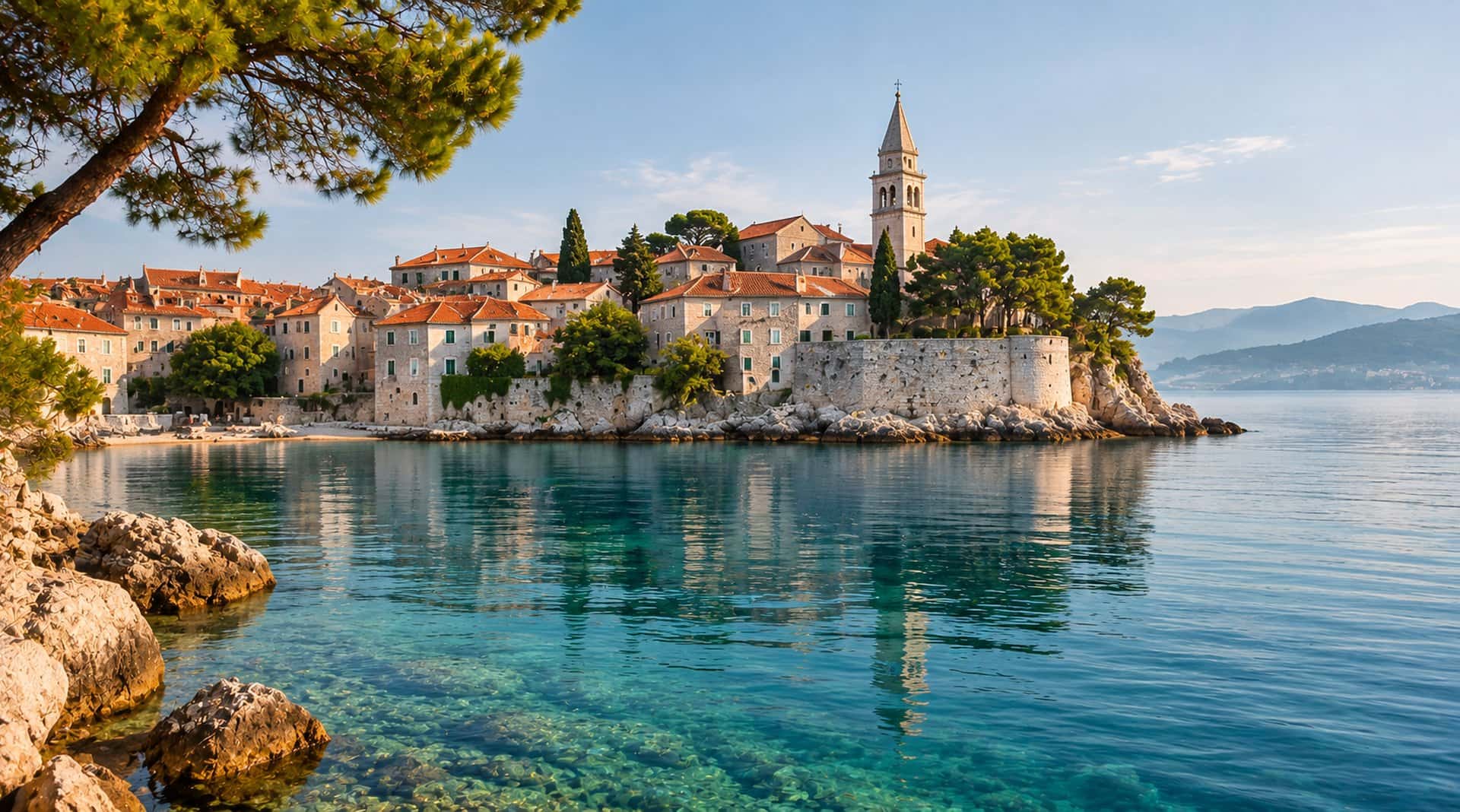
Croatia stretches along the Adriatic coast and is one of Europe’s best-known summer destinations. Its capital, Zagreb, and regions such as Istria are less well known abroad.
This profile looks at how Croatia is positioned, how it is read from outside, and where the two pull apart, drawing on the international rankings we follow and our archive.
Country Brand Strength
Croatia’s tourism brand is strong and recognised by peers. At City Nation Place Global 2026, the Croatian National Tourist Board won Best Communication Strategy in tourism for its campaign “Croatia, I hear it’s beautiful”.
Economic Position
Tourism is not only large in Croatia, it also creates broad opportunity. In the World Travel & Tourism Council’s first Power, Efficiency and Opportunity Indices, covered in our Rankings Brief, Croatia leads the high-income group on opportunity, which measures tourism’s contribution to jobs and to opportunities for young people and women.
Zagreb has been moving up too: Kearney’s Global Cities Outlook 2023 listed it among the biggest climbers, up 28 places.
Appeal to Talent
In our coverage of the Mercer Cost of Living Ranking 2024, Zagreb was among the cities that stand out for a balanced urban environment and as desirable places to live and work. Pula in Istria placed in the low twenties of Monocle’s Small Cities Index 2024.
Sustainability and Quality of Life
Seasonality is the main pressure point in our archive. In 2018, Maja Pak of the Slovenian Tourist Board compared her country’s spread of overnight stays with Croatia, where about 85% fell in the four summer months. Marine biologist Ally Dragozet, who is half Croatian, described the changes she saw on the coast as tourism grew, including the social effects of overtourism.
On the environment, Croatia was among the countries that improved their scores in the Environmental Performance Index 2020 by protecting more biodiversity and habitat.
What Stands Out
Croatia has what many countries want: a tourism brand people love, and tourism that creates real opportunity. The risk is that the brand is too closely tied to a few months and a narrow strip of coast.
The rankings already show a second Croatia: a capital rising among global cities and smaller cities such as Pula that score well on quality of life. Telling that story more clearly could spread tourism across the year and make Croatia visible as a place to live and invest, not only to visit in summer.
Croatia is read through its summer coast. Its capital, regions and economy are less visible.
Adriatic summer tourism is well loved but competes with other Mediterranean coasts.
Award-winning communication and broad tourism opportunity back the story. Seasonal pressure is its weaker side.
Positions are relative to the places in TPBO’s editorial record and based on public material only.
Want the same reading for your own place? Request a free Outside View →
From Our Archive
- 2026The Rankings Brief: tourism power, sustainable cities, financial centres
- 2026City Nation Place Global 2026: winners and takeaways from London
- 2024Mercer Cost of Living Ranking 2024
- 2024Inside Monocle’s Small Cities Index 2024
- 2023Kearney’s 2023 Global Cities Outlook
- 2020Ally Dragozet on marine conservation and how sustainable tourism can help
- 2020Countries leading in environmental performance: EPI 2020
- 2018Maja Pak on Slovenia, destination marketing and sustainable tourism
About this profile. We combine the international rankings we follow with our own interviews and reporting. Rankings change every year, so positions are described in broad terms. See the rankings and indices we follow, or explore our other country profiles.