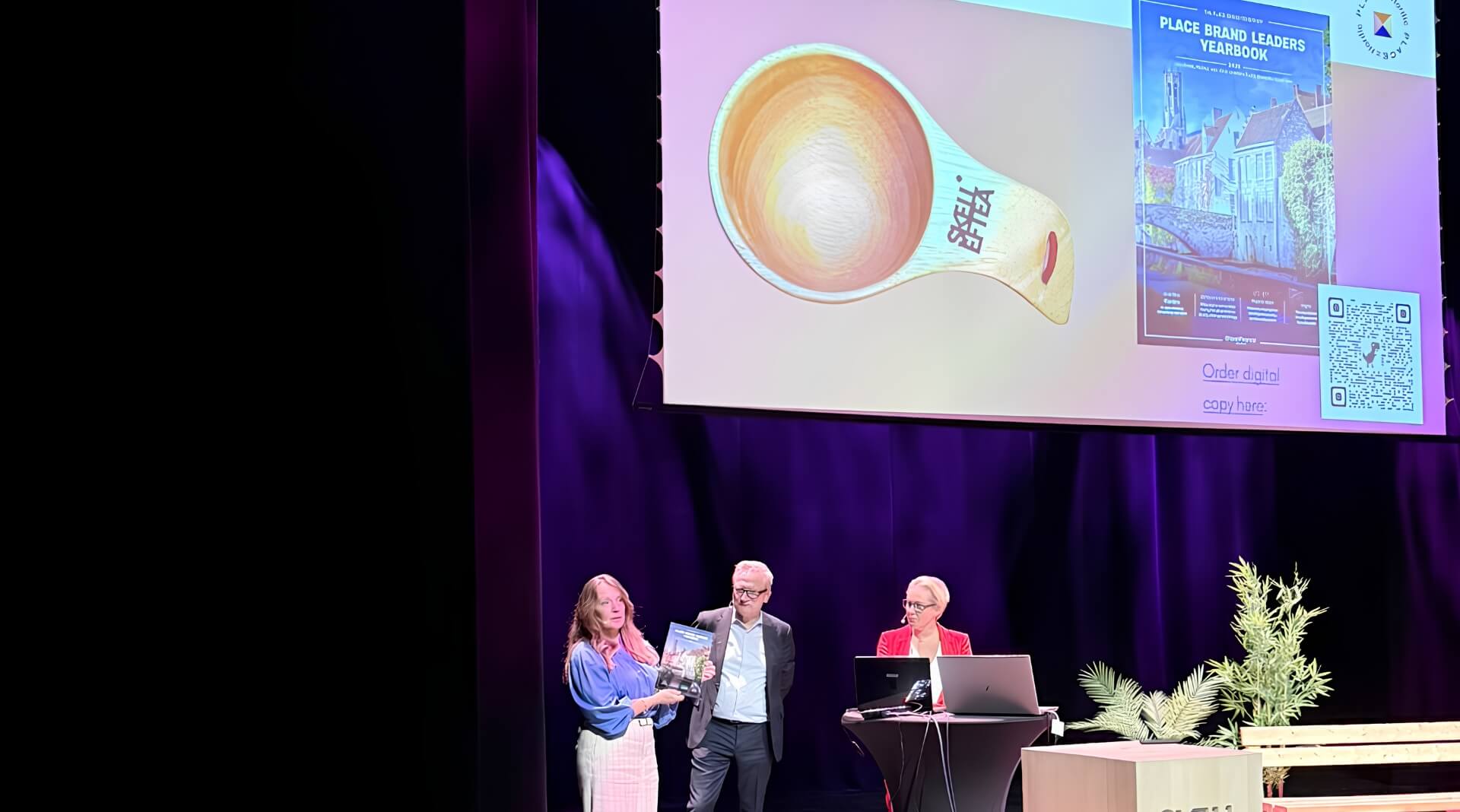
Place branding rarely exists in isolation. At PlaceXNordic 2026 in Skellefteå, conversations quickly moved beyond marketing and communications into questions of talent attraction, community building, economic resilience and long-term competitiveness.
Despite the diversity of speakers and case studies, many returned to a similar challenge: how do we create places that people genuinely want to be part of? Michael Persson Gripkow attended on our behalf and shares six reflections from the event.
After two days at PlaceXNordic in Skellefteå, Sweden, I left with a strong feeling: place branding has never been more important than it is today. Not because places need better marketing. But because places are facing increasingly complex challenges: from talent shortages and demographic shifts to industrial transformation, housing pressures and growing global competition.
What struck me most during the conference was that, despite very different case studies and contexts, many speakers returned to the same fundamental question:
How do we create places that people genuinely want to be part of?
Here are six reflections that stayed with me.
1. Resilience Is Becoming the New Competitive Advantage
One of the strongest impressions came from Skellefteå.
Over the past decade, the city has experienced extraordinary growth driven by major investments and international attention. Yet recent events have also highlighted the risks and uncertainties that come with rapid transformation.
What stood out in the presentations from Kristina Sundin Jonsson and Helena Renström was not a story about avoiding setbacks, but about responding to them.
In a world where economic conditions, technologies and geopolitical realities can shift overnight, resilience may be more valuable than predictability.
The places that succeed will not be those that avoid disruption, but those that adapt fastest when disruption occurs.
2. Residents Remain the Most Important Ambassadors
Whether the discussion focused on Skellefteå, Älmhult or Greenland, one message kept resurfacing:
Strong place brands are built from the inside out.
Susann Pettersson’s reflections on Älmhult and Linda Kleist’s insights from Greenland illustrated the same principle from very different perspectives. When residents feel pride, ownership and optimism, the place narrative becomes credible. When they do not, even the most sophisticated campaigns struggle to gain traction.
Place branding works best when communication reflects lived reality rather than attempts to replace it.
3. Talent Attraction Needs a Broader Perspective
Talent attraction was a recurring theme throughout the conference.
Megan Reif highlighted something many places still underestimate: people rarely move somewhere because of a job alone.
Career opportunities matter, but so do housing, social networks, quality of life, identity and opportunities for partners and families.
Many attraction strategies still focus heavily on employment. Increasingly, the challenge is helping people envision an entire life in a place, not simply a career.
4. Attraction Is Only Half the Story
One of the most thought-provoking examples came from Eindhoven and its work with international talent.
As Nicole Zwetsloot explained, the challenge does not end when someone decides to move.
In fact, that is often when the real work begins.
Helping newcomers build networks, find communities and develop a sense of belonging can be just as important as attracting them in the first place. Social onboarding may not receive the same attention as talent attraction campaigns, but it often has a greater impact on long-term retention.
The lesson was simple but powerful: attraction without integration rarely creates lasting success.
5. Social Media Is About Relationships, Not Reach
Among the many memorable quotes shared during the conference, one stood out:
“Your place should be the guide, not the hero.”
Niklas Myhr’s presentation offered a timely reminder that social media is most effective when it creates relationships rather than broadcasts messages.
The places that build strong digital communities are often those that celebrate local voices, support others and contribute meaningfully to conversations. They focus less on telling people how great they are and more on creating value for their audiences.
Perhaps the future of place marketing is not about speaking louder, but listening better.
6. Authenticity Becomes More Important as Visibility Grows
Greenland provided one of the conference’s most fascinating perspectives.
As international interest in Greenland continues to grow, the challenge is no longer simply gaining attention. The challenge is ensuring that the stories being told remain authentic and recognisable to the people who live there.
Linda Kleist from Visit Greenland spoke movingly about this balance.
Because when the world starts paying attention, place branding becomes less about visibility and more about representation.
The most powerful place narratives are not necessarily those that attract attention. They are the ones residents recognise as true.
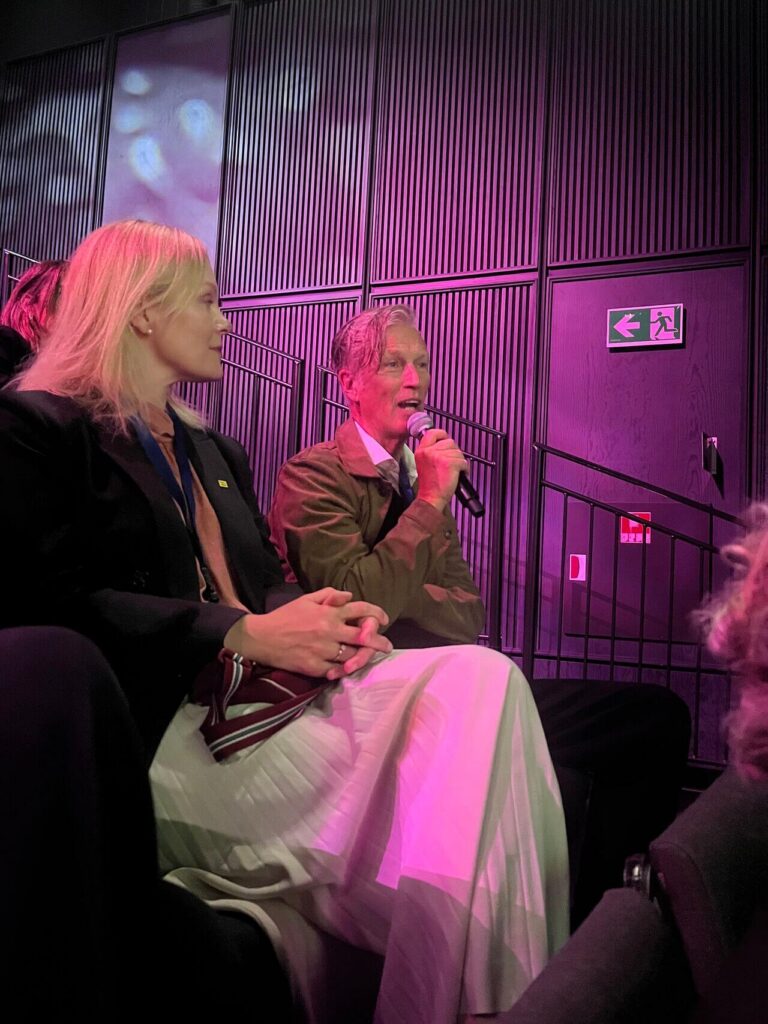
Place Branding Is Becoming a Collaboration Discipline
If there was one overarching conclusion from PlaceXNordic, it was this:
Place branding is increasingly moving beyond communications.
The conversations in Skellefteå touched on housing, education, talent attraction, economic development, culture, sustainability and community building. Again and again, speakers demonstrated that the attractiveness of places is shaped through collaboration across sectors rather than through marketing alone.
Perhaps that is what I appreciate most about PlaceXNordic.
Not that it provides all the answers.
But that it helps us ask better questions.
How do we create growth that people want to be part of?
How do we attract talent without losing local identity?
And how do we build places that remain resilient in times of uncertainty?
Those questions feel more relevant than ever.
Perhaps the most important lesson from PlaceXNordic 2026 was that place branding is no longer primarily about reputation. It is increasingly about how places organise themselves, build resilience, create belonging and sustain collective capacity over time.
Editor’s Thoughts
Many of the themes highlighted at PlaceXNordic echo patterns we identified through the Place Brand Leaders Yearbook 2026 and our recent intelligence briefing, The State of Place Positioning.
Across the places reviewed for the Yearbook, the strongest examples of place branding increasingly function less as communications programmes and more as systems of coordination, governance and long-term institutional alignment. Resilience, belonging, talent retention and community legitimacy emerged repeatedly, not as supporting themes, but as central determinants of competitiveness.
One observation stood out in particular: the places attracting the most durable international attention are increasingly those where the brand is an accurate description of how the place functions rather than an aspiration of how it would like to be perceived.
Seen through that lens, many of the conversations in Skellefteå felt less like discussions about place marketing and more like discussions about how places organise themselves for the future.
You can download the Place Brand Leaders Yearbook 2026, or get in touch to explore our latest intelligence briefings and upcoming regional special editions at The Place Brand Observer.