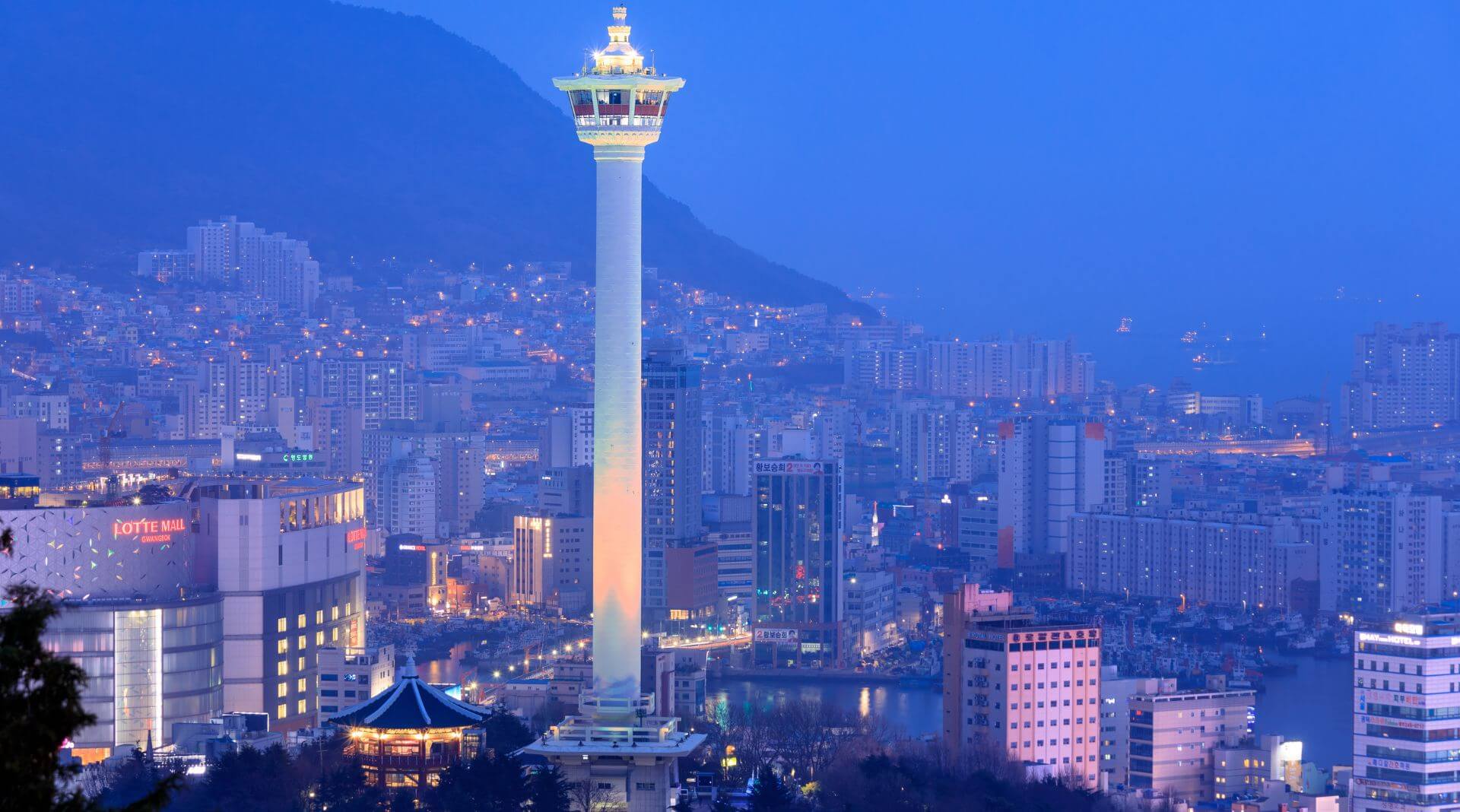
Busan, South Korea’s second-largest city, is a dynamic maritime hub known for its strong financial sector and growing innovation ecosystem. As the largest port in South Korea and the sixth busiest in the world, Busan plays a significant role in international trade.
But what do international rankings and indices have to say about Busan in terms of its economic performance, sustainability, city brand strength, and reputation?
Overview of Busan’s Performance & Potential
The following table offers a snapshot of Busan’s overall performance across various international rankings. For a reading of how a place is perceived, organisations responsible for its brand, investment or talent attraction can request a free Positioning Check.
The following table summarises Busan’s performance across key rankings over time:
|
Ranking |
2019 |
2020 |
2021 |
2022 |
2023 |
2024 |
2025 |
|
Resonance World’s Best Cities |
– |
– |
– |
– |
– |
67 |
|
|
Global Financial Centres Index |
– |
40 |
33 |
29 |
33 |
25 |
24 |
|
2Thinknow Innovation Cities Index |
91 |
– |
96 |
– |
108 |
– |
|
|
IMD Smart City Index |
45 |
29 |
47 |
– |
49 |
45 |
60 |
|
Mercer Quality of Living Ranking |
– |
– |
– |
– |
95 |
100 |
|
|
Mercer Cost of Living Ranking |
– |
– |
– |
34 |
68 |
88 |
City Brand Strength
Busan continues to build its reputation as an emerging global city. The city ranks 25th in the GFCI 37 Rank, improving by one place. In the same study’s fintech sector category, Busan ranks 26th, reflecting its efforts to develop a digital finance ecosystem, despite a minor decline of one place.
Appeal to Investors and Business
Busan maintains its significance as a business-friendly environment with a focus on maritime trade and financial services.
The city features 108th in the last Innovation Cities Index, though has dropped 12 places, highlighting the need for further investment in tech and research sectors.
Appeal to Talent
Busan is home to Pusan National University, which is placed in the 501–600 bracket in the Times Higher Education 2025 University Rankings and holds the 524th position in the QS World University ranking. These rankings reflect the university’s role in contributing to the city’s academic environment and its appeal to both local and international students.
South Korea’s second largest metropole provides a balanced cost of living and a moderate quality of life for its residents: 100th in the Mercer Quality of Life Ranking 2024 (dropping five places) and 88th in the Mercer Cost of Living Ranking 2024 (a decrease of 20 places).
Urban Sustainability
Busan is making strides in sustainability and smart city initiatives. It ranks 60th in the IMD Smart Cities Index 2025, showing a decline of fifteen places. While it has strong infrastructure and governance, further efforts in environmental management and urban resilience could elevate its position.
Our Key Takeaways
Busan continues to grow as a financial and maritime powerhouse. It remains a hub of economic competitiveness with good progress in financial rankings and smart city initiatives. However, challenges persist in maintaining its level of innovation. With further investment in sustainability and digital transformation, Busan has the potential to enhance its livability and global competitiveness.
- Strengths: Strategic financial hub, improving smart city infrastructure, strong maritime trade sector.
- Weaknesses: Declining innovation ranking, moderate quality of life, little representation in sustainability rankings.
- Opportunities: Expansion of fintech and digital services, increased investment in research and development, continued smart city initiatives and sustainability for enhanced quality of life.
- Threats: Economic fluctuations, environmental sustainability challenges, global trade uncertainties.
Last updated in June 2025. Explore more city profiles here.
Want to see how your place is read? Organisations responsible for a place’s brand, investment or talent attraction can request a free Positioning Check on one topic of their choice. Learn more →
Disclaimer: The information in this article is intended to provide a general overview of Busan’s economic and cultural landscape and facilitate comparison over time. While we strive for accuracy and completeness, the data is provided “as is” without warranty of any kind. Please verify any information before relying on it for decision-making purposes.