Brainport Eindhoven
Home of Pioneers: how a region turned talent attraction into an operating model
Brainport Eindhoven is the remarkable story of an industrial town that has grown into a region of 21 municipalities, home to companies ranging from global names such as ASML to thousands of smaller technology and engineering firms.
Equally remarkable is the way the region works: companies, universities, colleges and public authorities have spent decades learning how to tackle common problems together, whether the issue is research, skills, infrastructure or growth. That does not make Brainport unique, but it has become one of the region's defining characteristics.
The same instinct now shapes its approach to talent. Attracting people is only part of the job. Once they arrive, there are other questions to solve: where they will live, how their partners will find work, how families settle in and whether a professional move eventually becomes a life in the region. Brainport has increasingly brought those questions into the talent strategy itself.

From Company Town to Tech Region
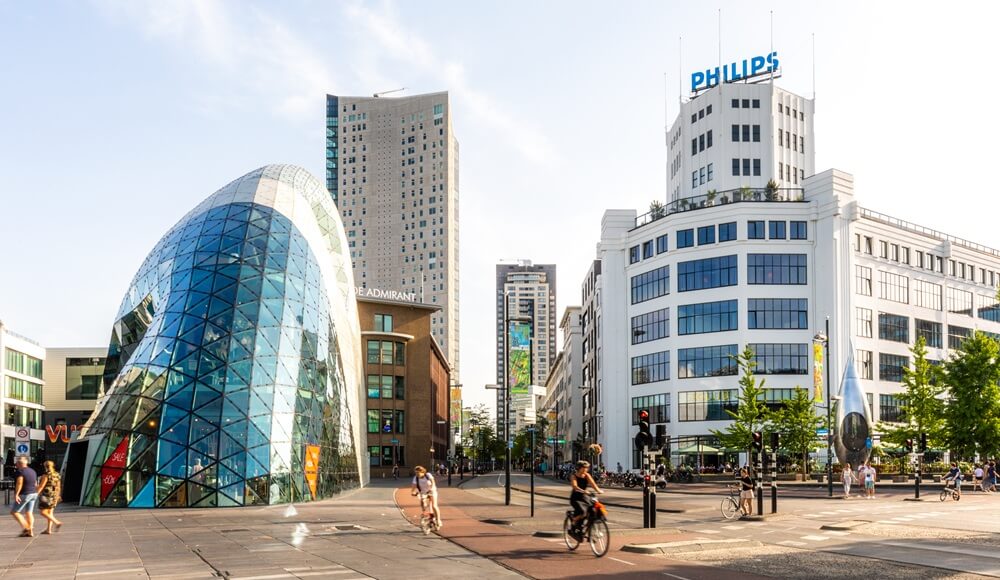
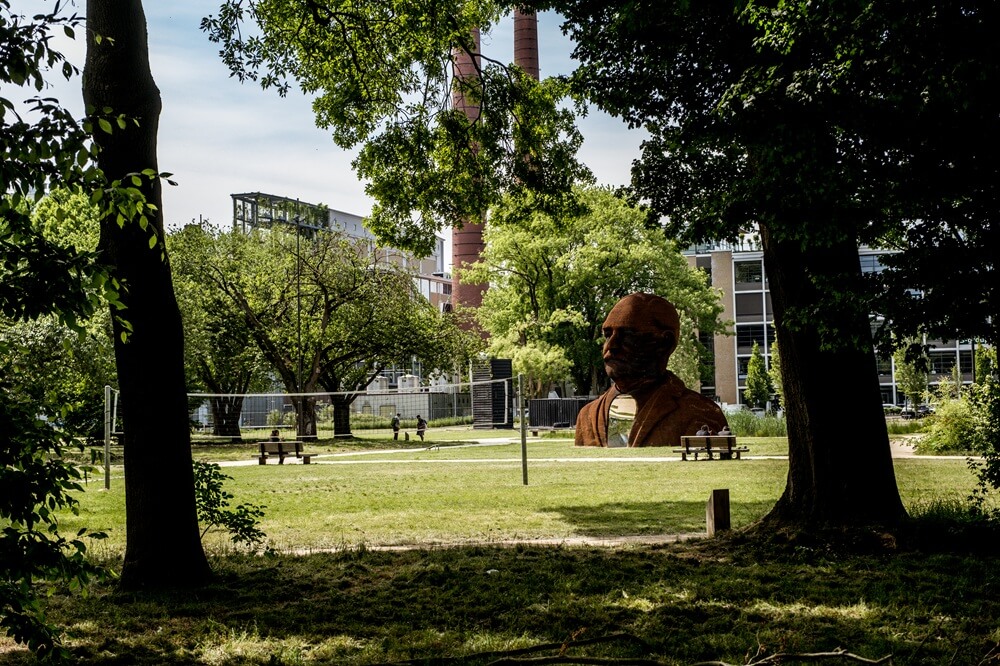
Eindhoven has long been shaped by technology. Philips grew from a local manufacturer into one of the Netherlands' defining industrial companies, leaving behind factories, research facilities, housing and institutions that helped shape the city and the region around it.
When Philips began to contract and move parts of its operations elsewhere, Eindhoven faced the kind of transition that has left many former industrial centres struggling to redefine themselves. The response was not immediate, nor was it the work of a single organisation. Over time, companies, educational institutions and public authorities developed closer ways of working together, helping to turn a region built around one dominant employer into a broader technology economy.
That legacy is still visible at places such as High Tech Campus Eindhoven, once home to Philips' research laboratories and now shared by companies and researchers from around the world.
More important, perhaps, is what happened beyond the campus. Brainport developed a way of organising itself around common challenges, bringing together people and institutions that might otherwise have been working separately. It is a habit that continues to shape the region today.
Growth Needs People
Brainport's success has brought a problem familiar to many fast-growing technology regions: demand for skilled people is rising faster than the local pipeline can supply them. The region expects to need tens of thousands of additional engineers and IT professionals over the coming years, making international recruitment less a matter of choice than a practical requirement for continued growth.
That changes the nature of talent attraction. The question is no longer simply how to persuade skilled people to take a job in the region, but how employers, universities and public institutions can compete for the same people in an increasingly crowded international market. For Brainport, the answer has been to approach the task collectively, building on the same relationships that helped the region develop its technology economy in the first place.
But growth on this scale puts pressure on more than the labour market. Housing is scarce, roads and public transport are under strain, and the region faces the practical challenge of accommodating more people without losing the qualities that made it attractive in the first place. Talent growth and regional development have become increasingly difficult to separate.
The response reaches well beyond recruitment. Regional and national investment is going into technical education, housing, accessibility and the infrastructure needed to support further growth, while employers and education providers are working to expand the talent pipeline in sectors such as semiconductors. The scale of the challenge is considerable, but there is a growing recognition that economic growth cannot be separated from the capacity of the region to accommodate it.
More Than a Job in Tech
Brainport has been working on talent attraction since the mid-2000s, but its approach has broadened as competition for skilled people has intensified. The region does not try to outdo Amsterdam or Europe's larger capitals on scale or lifestyle. Its case rests on the work itself: complex technology, practical problem-solving and the chance to be part of a region where companies, researchers and engineers work closely together.
There is a shared idea of what Brainport wants to offer, but the region leaves room for individual companies to tell their own stories. That matters in an economy where global names such as ASML sit alongside thousands of smaller firms, many of which face the same challenge of making themselves visible to people who may never have heard of them.
Tech Xperience takes the conversation a step further. Rather than asking international candidates to imagine what life and work in Brainport might be like, the programme brings them to the region to meet employers and experience it for themselves. Over ten days, participants visit companies, meet people working here and get a sense of the place beyond the job descriptions.
It is a straightforward idea, but one that captures something important about Brainport's approach: sometimes the best way to understand a region is to spend some time in it.
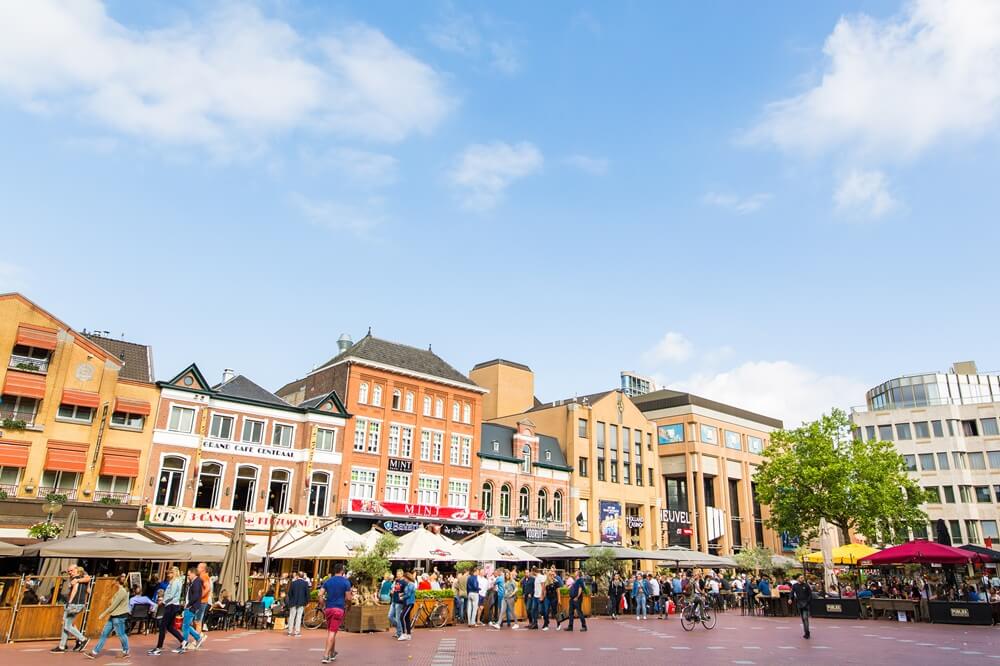

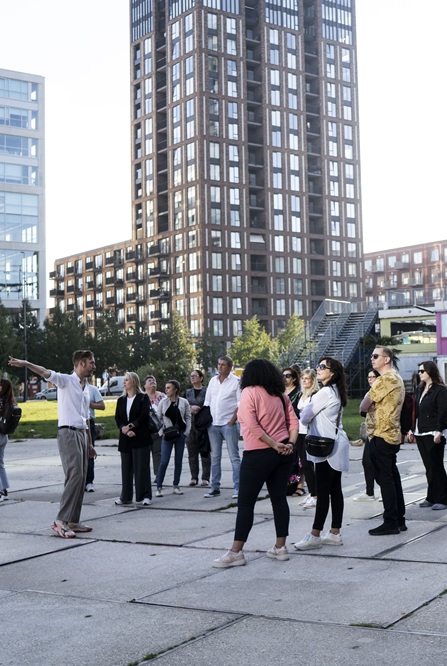
Landing and Belonging
Getting people to Brainport is only one part of the work. What happens after they arrive can be just as important, particularly for those moving with a partner or family and trying to navigate a country they do not yet know. The region has developed a range of services around that transition, covering everything from practical information to the slower process of building a social and professional life.
Insidr provides newcomers with guidance on settling in, including practical questions around housing, education and everyday life in the Netherlands. Homewards takes a longer view, helping internationals expand their social networks and find their place in the region over time. Both reflect a recognition that settling somewhere is not something that happens in the first few weeks after arrival.
Partners are also treated as part of the talent picture rather than an afterthought. Career support recognises that a move can be difficult to sustain if one person's professional opportunity comes at the expense of another's. Brainport also brings internationals already living in the region into the conversation through its International Talent Sounding Board, giving people who have made the move a direct voice in how the region improves the experience for those who follow.
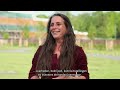






Behind the Scenes — Interview with Nicole Zwetsloot
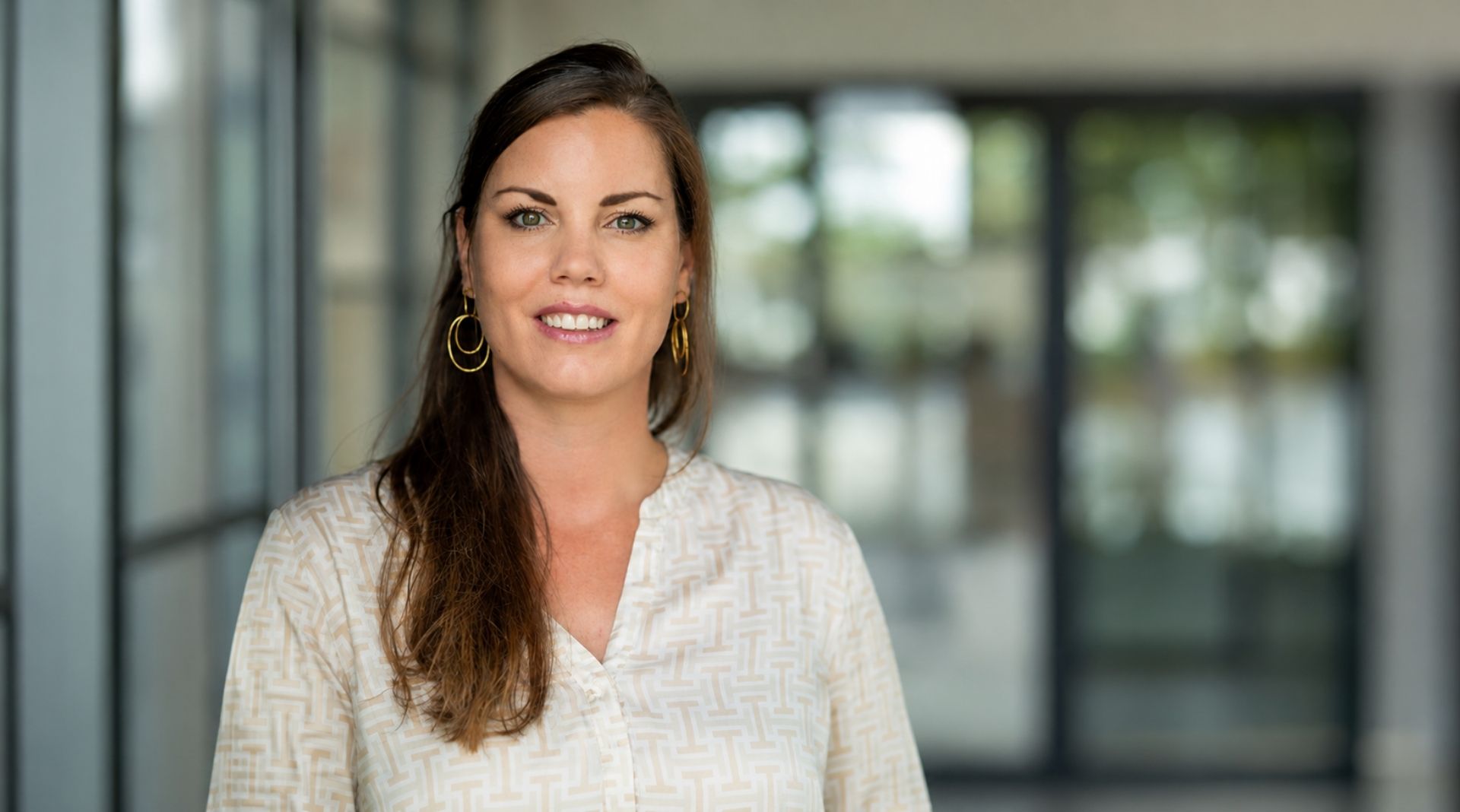
Nicole Zwetsloot is Program Manager for Talent Attraction at Brainport Development. Her work sits at the centre of the region's efforts to attract and retain international talent, bringing together employers, education and public institutions around a shared challenge.
In our forthcoming conversation, Nicole discusses how Brainport positions itself in the global competition for talent, what happens after people arrive, and where the region still has work to do.
Why Brainport Eindhoven Matters
Brainport Eindhoven is a useful reminder that talent attraction does not begin and end with a campaign, a careers website or a good quality of life ranking. The people a region hopes to attract encounter the whole place, including its employers and institutions, but also its housing market, transport, schools, social life and the opportunities available to a partner.
What makes Brainport particularly interesting is the attempt to treat those things as connected. The same regional habit of bringing companies, education and government together around technological and economic challenges is increasingly being applied to talent. The work is far from finished, and the pressures created by growth are real. But Brainport offers a convincing example of what happens when talent attraction is treated less as a communications exercise and more as a shared responsibility for the kind of region people can build a life in.
Images courtesy of Brainport Eindhoven.
Follow Brainport online
Want to explore more Places to Watch?
We highlight the world’s most forward-thinking cities, regions, and countries through our online showcases, yearbooks and special editions.