The Global Power City Index 2025 (GPCI) highlights a subtle but important shift in how global urban competitiveness is being shaped. While established global cities continue to dominate the top of the ranking, changes in relative positions point to a rebalancing driven by livability pressures, sustainability expectations, and the ability of cities to adapt to post-pandemic realities, rather than rely solely on economic scale.
Editorial briefing
Livability As Core Urban Brand Signal
From a place branding perspective, the 2025 results reinforce the idea that urban power is no longer a singular concept.
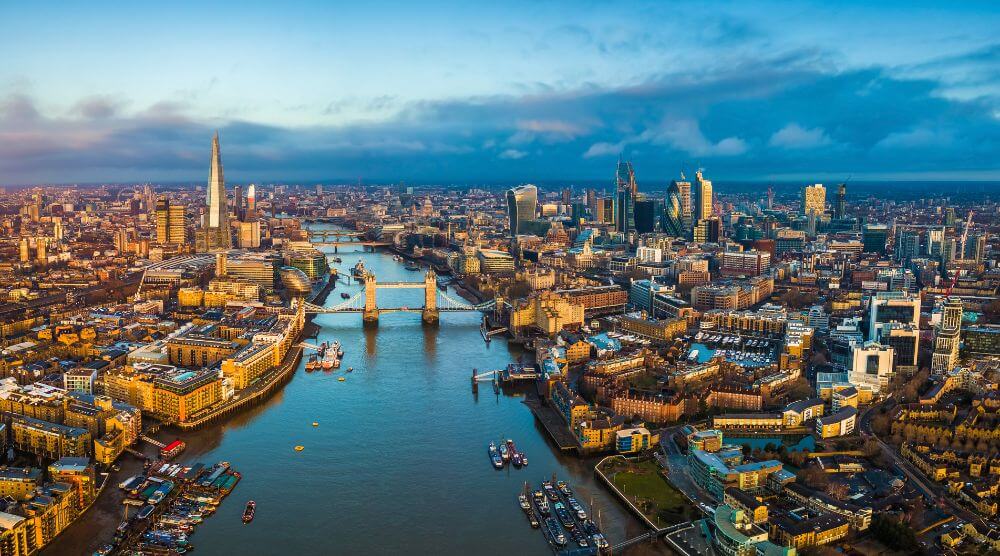
London retains its leading position, underpinned by strong performance in cultural interaction and accessibility, confirming the durability of long-standing global city brands. However, its declining scores in livability and environment highlight growing tensions between global visibility and everyday experience.
Tokyo’s rise to second place, overtaking New York for the first time since the index began, is particularly instructive from a branding standpoint. Strong gains in livability, cultural interaction, and environmental performance signal a city that is actively reshaping its narrative around quality of life, sustainability, and human-scale urbanism. This shift demonstrates how policy alignment and lived experience can translate into reputational gains.
New York’s drop to third place illustrates the reputational risks associated with structural pressures such as cost of living and environmental stress. Despite continuing to lead on economic and research indicators, declining performance on livability-related measures weakens the overall brand signal, particularly for globally mobile talent and investment.
Beyond the top three, the ranking reveals growing differentiation among cities that have invested consistently in sustainability, workstyle flexibility, and cultural vitality. The introduction of new indicators related to corporate sustainability and biodiversity has amplified the visibility of cities making tangible progress in these areas, reinforcing the idea that environmental credibility is becoming a core component of urban brand strength.
Overall, the 2025 GPCI results suggest that global city brands are moving away from static hierarchies toward a more dynamic assessment of adaptability, resilience, and lived performance.
Cities that align economic power with environmental responsibility and quality of life are better positioned to sustain their reputational advantage.
Why This Matters
- Global city leadership is increasingly defined by balance, not scale alone
- Livability and environmental credibility are now central to urban reputation
- Economic strength without lived quality risks brand erosion
- Rankings with multi-dimensional frameworks act as credibility checks on city narratives
- Cities that adapt their positioning to post-pandemic realities strengthen long-term brand resilience
Methodology
The Global Power City Index (GPCI) 2025, produced by the Mori Memorial Foundation’s Institute for Urban Strategies, evaluates major global cities based on their ability to attract people, capital, and enterprises. Cities are assessed across six functions: Economy, Research and Development, Cultural Interaction, Livability, Environment, and Accessibility.
These functions are derived from 72 indicators grouped into 27 categories, combining statistical data and qualitative measures. Scores across all functions are aggregated to produce a comprehensive ranking that reflects the multidimensional nature of urban competitiveness.
Explore further:
To explore how city rankings influence global reputation, competitiveness, and long-term positioning, visit the TPBO City Observatory, where we track and interpret city brand indices through a place branding lens.