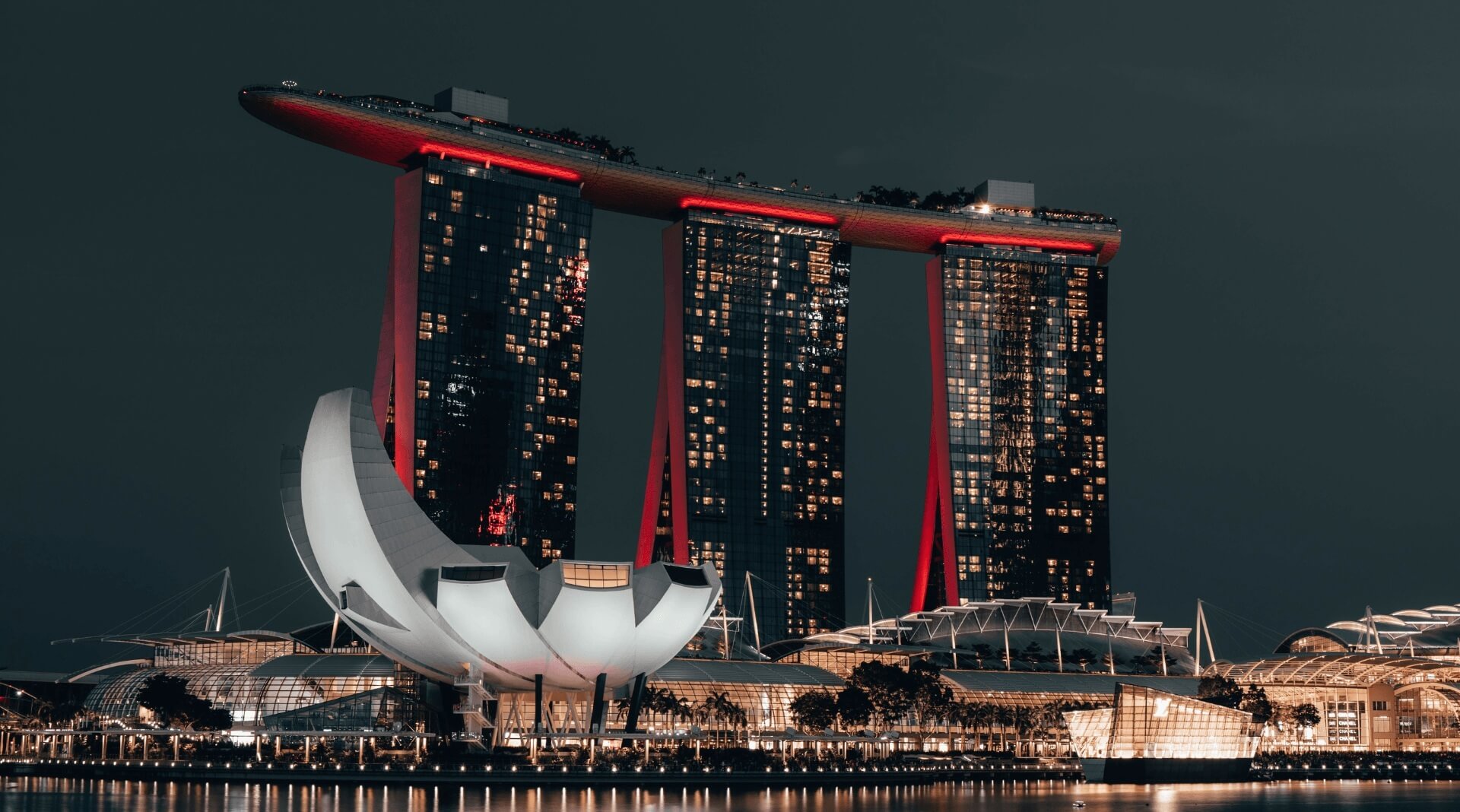
The 2026 IMD World Competitiveness Yearbook makes one finding unmistakably clear: the economies at the top are no longer simply the wealthiest or the most innovative. They are the ones with institutions that work. In a more fragmented, geopolitically pressured world, credible governance has become the most durable competitive asset a place can build, and the most difficult to replicate.
Editorial Briefing
Top Performers
Singapore returned to first place, climbing seven positions in Business Efficiency to rank first globally. Hong Kong rose to second, continuing three consecutive years of improvement, with Government Efficiency ranked second worldwide. Switzerland holds third place, its Infrastructure and Government Efficiency rankings remaining first in the world, though its overall standing masks a sharp deterioration underneath. Taiwan climbed to fourth, its highest-ever position, with Economic Performance rising from 10th to 5th globally. The UAE held fifth, recording first place in Economic Performance across all 70 economies assessed.
The United States re-entered the top ten, climbing from 13th to 10th. Notable here is a jump in Infrastructure from 11th to 3rd globally, one of the sharpest single-year movements in the entire ranking. The report notes that business sentiment has improved, though underlying fiscal and trade fundamentals remain under pressure.
From a place branding perspective, the 2026 podium is not primarily an economic but a governance story. The leading economies share one quality above all others: predictability. Investors, talent, and businesses operating in these markets know what to expect, and that reliability is increasingly what they are paying for.
When Institutional Strength Is Not Enough
Switzerland’s 2026 performance is the edition’s most instructive data point. The country held first place overall in 2025 but in 2026, it dropped to third. That movement alone understates the scale of the shift beneath it.
Switzerland’s Infrastructure and Government Efficiency rankings remain first globally. Its Economic Performance ranking fell from 13th to 37th, a collapse of 24 places in a single year. Direct investment flows deteriorated sharply. Cost of living ranked 65th globally. Long-term employment growth turned negative.
| Economy | 2026 Rank | Shift | Factor Highlight |
| Singapore | 1 | Up 1 | Business Efficiency: 1st globally (up from 8th) |
| Hong Kong | 2 | Up 1 | Government Efficiency: 2nd globally |
| Switzerland | 3 | Down 2 | Govt. Efficiency and Infrastructure: both 1st; Economic Performance: 37th |
| Taiwan | 4 | Up 2 | Economic Performance: 5th globally (up from 10th) |
| UAE | 5 | Stable | Economic Performance: 1st globally |
| USA | 10 | Up 3 | Infrastructure: 3rd globally (up from 11th) |
For place brand teams, the lesson is direct: Although Switzerland’s institutional reputation appears unimpeachable, it did not protect the country from economic deterioration. A strong governance story absorbs pressure but it cannot eliminate it. The gap between what a place communicates and what investors actually experience is always a reputational risk, and rankings expose that gap to the audiences that matter most.
Notable Movers
China climbed four places to 12th, driven by improvements in business efficiency and labour productivity. Saudi Arabia advanced four places to 13th, with gains in Government Efficiency from 17th to 12th and Business Efficiency from 12th to 9th. Both movements reflect sustained institutional investment as a deliberate economic strategy, not a communications exercise.
The sharpest downward movement belongs to Switzerland, but the European picture carries a broader warning. Denmark fell two places to 6th, Sweden fell one place to 9th. Both countries retain strong institutional reputations. What has weakened is economic performance: rising costs, fiscal burdens, and softening labour markets. For two economies that once defined the top of this ranking, the direction of travel is worth watching.
Why This Matters for Place Brand Teams
The 2026 edition reinforces a pattern that has become clearer with each successive year: the fastest-rising economies in this ranking built their institutional foundations before they built their brand narratives. Saudi Arabia’s regulatory reform preceded its investment story. China’s governance investment preceded its competitiveness climb. That sequence matters because it runs counter to how most place brand campaigns are structured.
Switzerland shows what happens when the sequence breaks down in reverse. The institutional narrative held but the economic conditions shifted beneath it. A reputation built over decades did not insulate the country from a 24-place fall in economic performance. Rankings make that gap visible to exactly the investors and executives that place brand teams are trying to reach.
For leaders working in European markets with strong legacy reputations and softening economic data, the practical question is not whether to keep communicating institutional strength, but whether the evidence still supports it. It’s what we refer to as “legibility gap”, in our intelligence brief on the state of place positioning (available here).
Methodology
The IMD World Competitiveness Yearbook has been published annually since 1989 and covers 70 economies across 341 criteria, combining external statistical data with an executive survey of approximately 6,900 senior professionals. Assessment covers four factors: Economic Performance, Government Efficiency, Business Efficiency and Infrastructure. Each of 20 sub-factors carries equal weight of 5% in the overall ranking. The 2026 edition was released in June 2026.
Read the full Yearbook through IMD’s World Competitiveness Center.
Explore how national competitiveness rankings shape place reputation and investment appeal through TPBO’s Rankings Overview and Country Observatory, where we track and interpret the indices most relevant to place brand strategy.