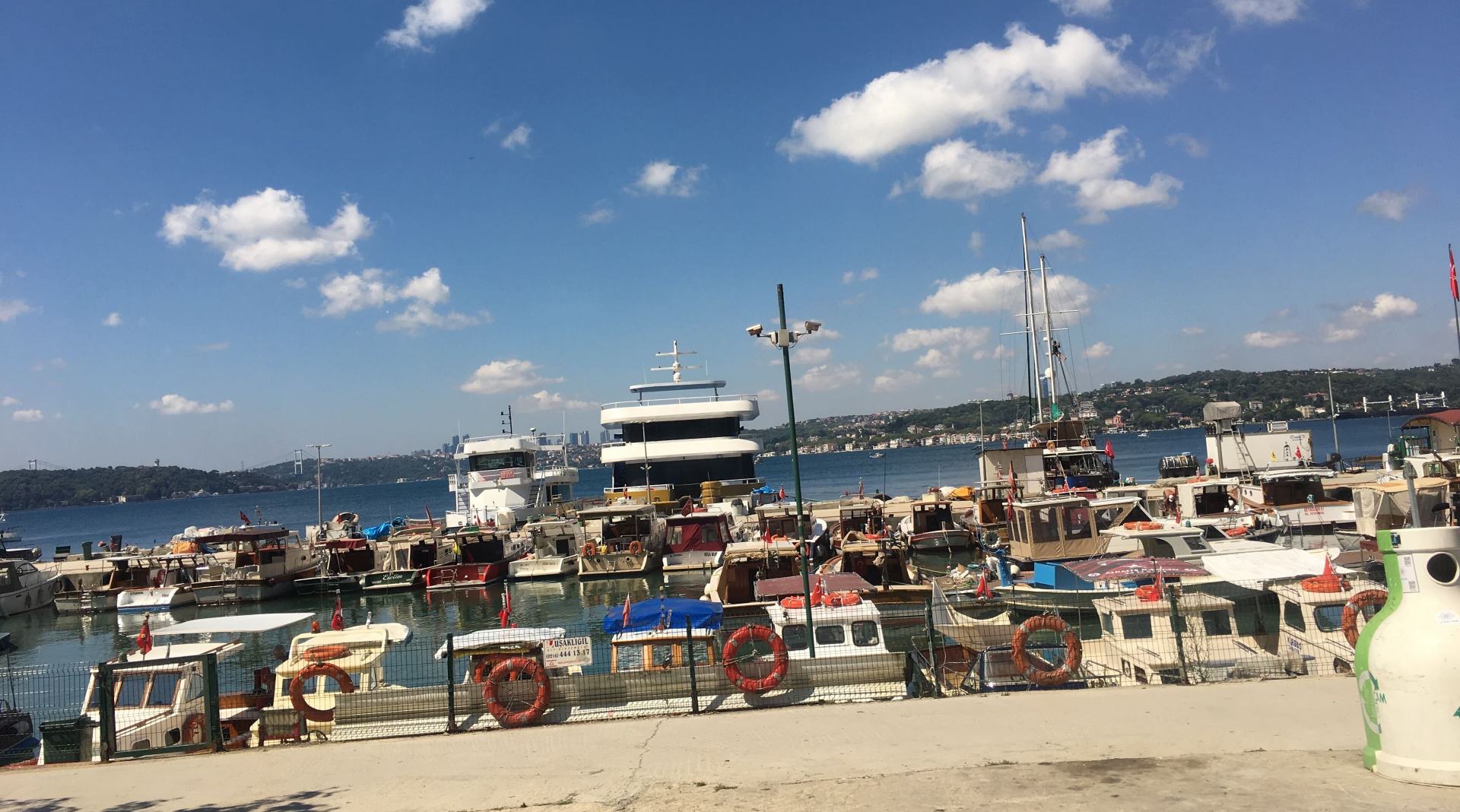
Üsküdar, on the Asian side of Istanbul, was long regarded as one of the city’s most conservative and insular municipalities. New transport links and public spaces have changed how people use the district, and how they see it.
Faced with high poverty and unemployment rates, Üsküdar began to change notably with a series of urban development projects. Stella Kladou, Assistant Professor at the Hellenic Mediterranean University, nominated the district for the Place Brand Leaders Yearbook 2025.
A tunnel under the Bosphorus
One of the most influential projects was Marmaray, a tunnel under the Bosphorus that connects the European and Asian sides of the city. It offers an alternative to the existing bridges and ferry lines, and it created a long metro line linking the far eastern and western parts of Istanbul. The project has its drawbacks, but it put Üsküdar on the map and brought more foot traffic and visibility to the area.
More ferries, a busier waterfront
Şehir Hatları, the public company that runs Istanbul’s ferries, expanded its routes and made it easier to move across the city. The Üsküdar dock area came back to life: locals and visitors now use it to travel to the European side and to explore other parts of the Asian side.
New parks, playgrounds and other public spaces have drawn more people to the waterfront, including women and children. Many started to use the ferries for the first time, despite living close to the sea.
A change that showed at the ballot box
The shift was also reflected in local politics. In the most recent elections, Sinem Dedetaş, the former head of Şehir Hatları, was elected mayor. Her victory marked the first time a non-conservative party, led by a woman, won in Üsküdar.
What other places can take from it
Üsküdar shows how much a district’s image depends on access and everyday experience: how easily people can reach it, and what they find when they arrive. Infrastructure, mobility and public space did more to open up the district than any campaign could have done on its own.
“Üsküdar’s transformation from a conservative and closed municipality into a vibrant hub due to developments like the Marmaray project and ferry route expansions is remarkable. It has also seen job creation and increased public use of its ferry services.”
Stella Kladou, Assistant Professor, Hellenic Mediterranean University
This case study is based on the Üsküdar nomination in the Place Brand Leaders Yearbook 2025. Photo: A.jobs02, CC BY-SA 4.0, via Wikimedia Commons.
More from TPBO
- Place Brand Leaders Yearbook 2025: the places and people featured
- Istanbul: TPBO Observatory profile
- Urban development: more examples and interviews