
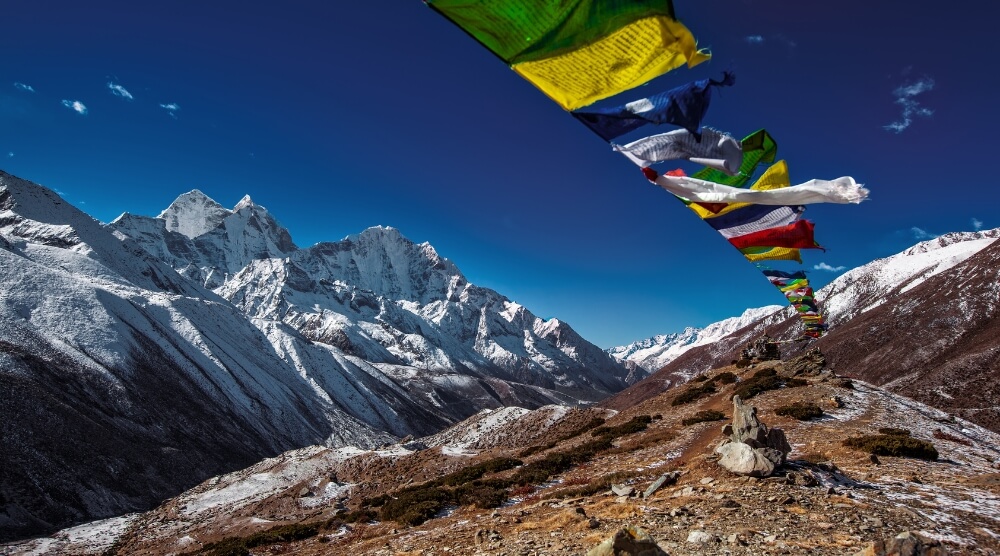
Nepal is known around the world for the Himalayas, Mount Everest and a rich mountain culture. Fewer people know that it has been one of the fastest-improving countries on sustainable development over the past decade.
This profile looks at how Nepal is positioned, how it is read from outside, and where the two pull apart, drawing mainly on the major international rankings.
Country Brand Strength
Nepal placed around 105th in Brand Finance‘s Global Soft Power Index in 2024, up 14 places. That is low for a country whose mountains are among the most recognised landscapes in the world. Bloom Consulting placed it in the mid-nineties for its tourism brand in 2024-2025.
Economic Position
Nepal’s trade brand is weaker than its tourism brand: Bloom Consulting placed it in the low 120s for trade. Foreign direct investment remains very small, according to UNCTAD’s World Investment Report 2023.
Appeal to Talent
INSEAD’s Global Talent Competitiveness Index 2023 placed Nepal around 107th, close to India and Pakistan. As a lower-middle-income country, it finds it hard to attract and keep skilled people. Tribhuvan University, its largest, has nearly 400,000 students.
Sustainability and Quality of Life
Nepal is one of the fastest movers on the Sustainable Development Goals. The Sustainable Development Report 2025 listed it among the five countries with the fastest progress since 2015, alongside Benin, Togo, Uzbekistan and Costa Rica.
Its starting point was low, though. It still placed in the mid-nineties of the 2024 report and near the bottom of the Environmental Performance Index 2024, though fourth in its region. It sits around 80th in the Global Peace Index 2024, second in South Asia, and in the low nineties of the World Happiness Report 2024. Almost half of Nepalis say they have helped a stranger, according to the CAF World Giving Index.
What Stands Out
Nepal has one of the strongest natural assets of any country: the world knows its mountains. Its national brand does not yet carry that recognition into other areas, such as trade, investment or talent.
Its progress on sustainable development is real and well documented, but it is not part of how the country is seen. That progress may be the most useful story Nepal has to tell beyond tourism.
Nepal is read through its mountains. Its development progress is much less visible.
Everest and the Himalayas give it an asset few countries can match. Its other claims are less developed.
Its landscapes and fast SDG progress back the brand. Investment, talent and environmental results weaken it.
Positions are relative to the places in TPBO’s editorial record and based on public material only.
Want the same reading for your own place? Request a free Outside View →
From Our Archive
- 2025Off track, on record: what the 2025 SDG report means for places and brands
- 2017Current state of place branding practice in Asia
About this profile. We combine the main international rankings, including Brand Finance’s Global Soft Power Index, Bloom Consulting’s Country Brand Ranking, INSEAD’s Global Talent Competitiveness Index and the Sustainable Development Report, with our own reporting. Rankings change every year, so positions are described in broad terms. See the rankings and indices we follow, or explore our other country profiles.