The Hague is often described through the lens of peace, justice and international governance. Yet behind that globally recognised positioning sits a much broader and more nuanced city branding strategy, increasingly focused on civic identity, neighbourhood-level placemaking, and the challenge of balancing international ambition with quality of life.
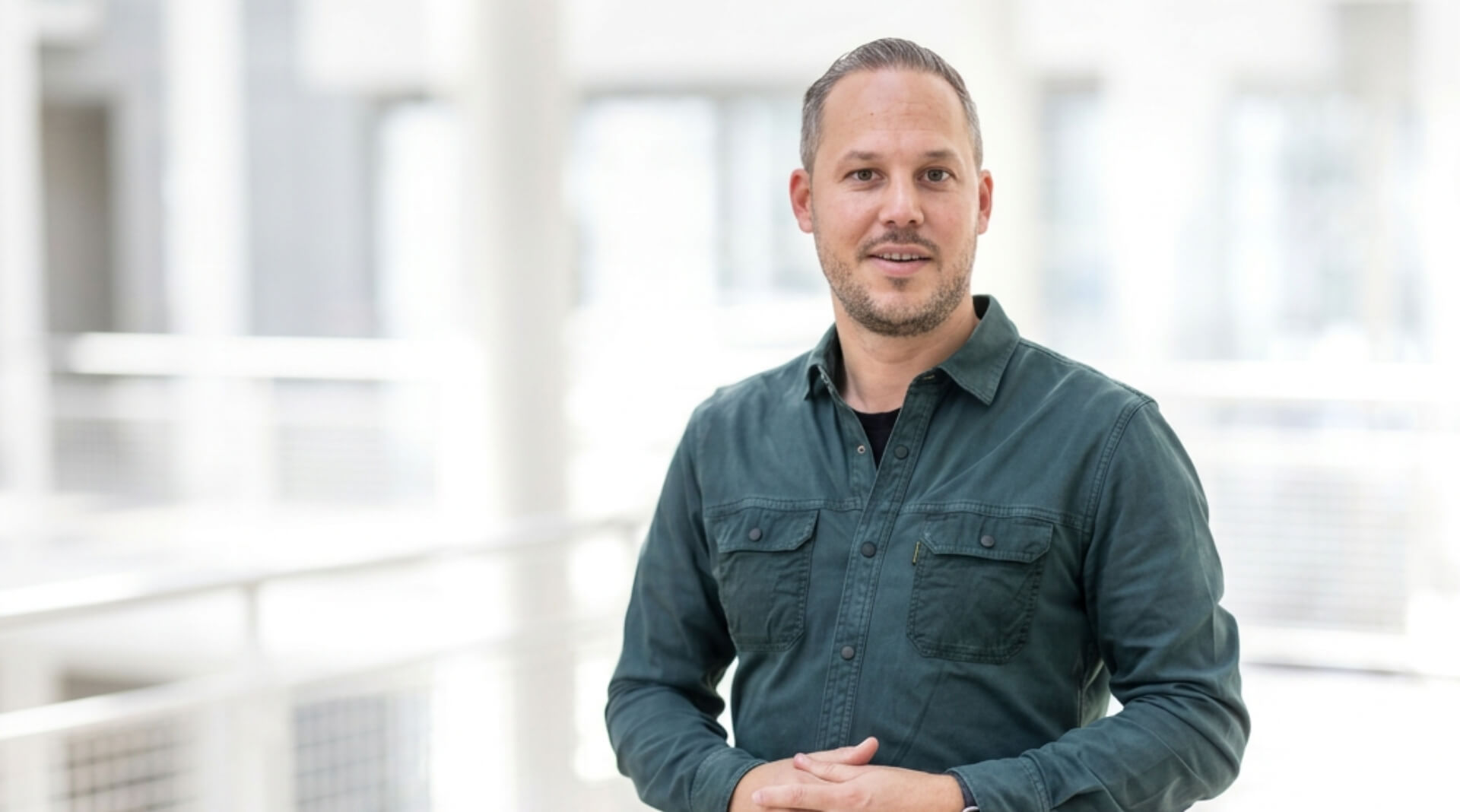
We spoke with Luuk Helleman of The Hague’s Bureau Citybranding about how the city’s approach to place branding is evolving, the realities behind balancing internationalisation with local identity, and why resident pride may ultimately matter more than international rankings.
Luuk, looking back over the past years, how has The Hague’s positioning evolved?
Our approach is fundamentally different today. Five years ago, city branding was still approached through relatively broad umbrella messaging. What we have learned is that a city as layered as The Hague cannot be reduced to a single narrative.
Today, we work much more consciously with the idea that different parts of the city require different positioning approaches, while still remaining connected through a shared set of values. The Hague has internationally recognised themes like peace, justice and governance, but neighbourhoods, districts and innovation areas all have their own identities, dynamics and audiences.
What has also changed is that place branding is now much more integrated into broader city policy. It is no longer only about external promotion. We increasingly use the city’s brand values as a framework for thinking about spatial development, cultural programming, economic positioning and liveability.
There is also greater realism today. We openly acknowledge tensions and contradictions within the city instead of trying to smooth them away. The Hague is internationally important, but also very human in scale. It is ambitious, but residents are cautious about excessive growth. That balance is now central to how we think about the city.
The Hague has a very distinctive international identity around peace, justice and international governance. How do you balance that global positioning with local identity and everyday city life?
That balance is probably the defining challenge for The Hague right now.
As Bureau Citybranding, we are closely involved in strengthening The Hague’s international profile, and we see clear value in the city’s role as an international hub for peace, justice, cybersecurity and governance. But we also believe strongly that residents must recognise themselves in the story being told about their city.
What is interesting is that many of the values behind the international positioning are also deeply local. The Hague has a long tradition of social engagement, public responsibility and international awareness. Those qualities are not only institutional. They are cultural.
At the same time, place branding for us goes far beyond the international narrative. We are equally focused on local shopping streets, neighbourhood identity, cultural initiatives and the everyday experience of living in the city. Some of our most important work is not visible internationally at all.
The central question is always whether internationalisation strengthens the city for residents as well. If the answer becomes no, then something is wrong.
What do you currently see as the biggest opportunities, and biggest tensions or challenges, for The Hague as a place brand?
The biggest opportunity is that The Hague has a genuinely distinctive position internationally. Very few cities can credibly combine governance, diplomacy, cybersecurity, legal institutions, quality of life and proximity to the sea in the way The Hague can.
At the same time, the biggest tension is growth and internationalisation itself.
The Hague is becoming denser, more international and more economically ambitious. That creates opportunities, but also pressure on housing, affordability, social cohesion and the relationship residents have with their city. We are a city of nearly 600,000 people in a relatively compact urban space. There are real limits.
One thing we monitor closely is whether residents continue to feel connected to the city and to one another. That is why concepts like city pride and solidarity have become so prominent in our work.
Another challenge is perception. Internationally, The Hague still has relatively low awareness compared to larger European cities, despite its institutional importance.
So the challenge is not only visibility. It is visibility with coherence and authenticity.
Are there specific projects, partnerships or strategic shifts that you feel deserve more international attention than they currently receive?
I believe The Hague’s arts and cultural offering deserves much more international recognition than it currently receives. There is far more depth and quality here than most international rankings suggest.
At the same time, I also want to put the desire for international recognition into perspective. What I see around me is, above all, a strong need among residents to feel proud of their own city. That is ultimately more important.
If, in a few years’ time, we are recognised for having managed growth and internationalisation without losing sight of residents and social cohesion, that would be a real achievement.
From your perspective, which other cities or regions are currently doing particularly interesting work in place branding, talent attraction or international positioning?
For me, Rotterdam stands out. I would say that Rotterdam and The Hague are currently leading the way in the Netherlands when it comes to how place branding is organised institutionally.
Both cities have chosen to organise place brand policy centrally. There is still room to become more professional, of course, but it starts with conviction and the willingness to make choices.
What matters most to me is value-driven placemaking. That, ultimately, is what place branding should be about.
Finally, what is one misconception international audiences still tend to have about The Hague?
Many people still associate The Hague almost exclusively with NGOs, embassies and government institutions.
What often goes unnoticed is that the city also has a very dynamic entrepreneurial side, with growing creative industries, start-ups and scale-ups, and one of the fastest-growing student populations in the Netherlands.
At the same time, I believe it is just as important that residents themselves understand the full story of their city. Strengthening local pride and recognition will remain a major focus for us in the coming years.
Thank you, Luuk.
The Hague is among the 32 places that were nominated by TPBO’s community of industry leaders for inclusion in the 2026 Place Brand Leaders Yearbook. Get your free copy here.
What The Hague Demonstrates
What The Hague demonstrates particularly well is that mature place branding is no longer primarily about slogans, logos or promotional campaigns. The city’s evolving approach shows place branding becoming a framework for managing growth, shaping identity, coordinating policy and balancing international ambition with civic legitimacy.
What stands out is the degree to which The Hague openly embraces tension rather than trying to hide it. The city acknowledges the friction between internationalisation and liveability, between economic growth and social cohesion, and between institutional identity and everyday urban life.
That may ultimately be The Hague’s most distinctive contribution to contemporary place branding. Not a perfectly polished narrative, but a city consciously trying to remain internationally significant while preserving its human scale, civic character and internal sense of belonging.