
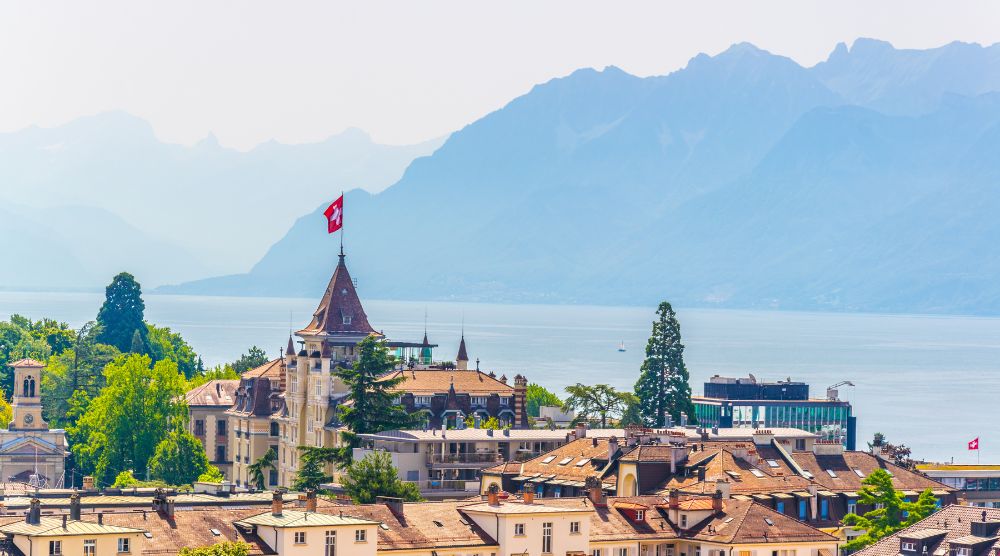
Lausanne, on the shores of Lake Geneva, is the capital of the canton of Vaud and home to the International Olympic Committee, which gives it the title Olympic Capital. It is also a university city, with leading research institutions and a high quality of life.
This profile looks at how Lausanne is positioned, how it is read from outside, and where the two pull apart, drawing on the major rankings alongside our own work on the city.
City Brand Strength
Lausanne’s profile in the brand rankings has been uneven. Monocle’s Small Cities Index ranked it first in 2020 and in the mid-twenties in 2024. Resonance’s Europe’s Best Cities placed it in the twenties in 2023 and much lower, in the eighties, in 2025.
In 2024, TPBO prepared a Place Brand Insights Report as an outside view for Lausanne’s brand development. It compared the city with ten peers, including Basel, Munich, Aarhus and Utrecht, and drew on 27 experts. They pointed to its quality of life, academic and cultural assets and Olympic heritage, and to the challenge of building a coherent and distinctive narrative from them.
Economic Position
Lausanne is a smaller economy than Geneva or Zurich, built on education, research, life sciences and international sport. It is well connected within the Lake Geneva region, and its institutions give it an international network larger than its size.
Appeal to Talent
Lausanne ranked in the top ten of Numbeo’s Quality of Life Index in 2025, helped by its setting, safety, healthcare and education. It is also one of the most expensive cities in the world: Numbeo’s Cost of Living Index placed it second. Affordability is the main question it faces with residents and prospective talent.
Urban Sustainability
IMD’s Smart City Index placed Lausanne in the top ten in recent years, a result of strong public services, governance and transport. Swiss quality of life studies have rated its green spaces and public transport among the best in the country.
What Stands Out
Lausanne has more distinctive assets than most cities its size: the Olympic movement, strong universities and a remarkable lakeside setting. Its quality of life and public services are among the best in the rankings.
The challenge is connecting them. Our 2024 report found that the parts are well known but the story that holds them together is not yet clear, and that affordability shapes how the city is experienced as much as any message about it.
Lausanne is known abroad through the Olympic movement. Its universities and city life are less visible.
The Olympic Capital title is unique. Its quality-of-life claims are shared with other Swiss cities.
Quality of life, smart city results and its institutions back the brand. Cost of living is the weaker point.
Positions are relative to the places in TPBO’s editorial record and based on public material only.
Want the same reading for your own place? Request a free Outside View →
From Our Archive
- 2026IMD Smart City Index 2026: what it means for urban leaders
- 2024Assessing Lausanne’s position: a Place Brand Insights Report
- 2024Top 25 in livability: inside Monocle’s Small Cities Index 2024
- CountrySwitzerland: country profile
About this profile. We combine the main international rankings, including Resonance’s Europe’s Best Cities, Monocle’s Small Cities Index, IMD’s Smart City Index and Numbeo’s Quality of Life and Cost of Living indices, with our own reporting. Rankings change every year, so positions are described in broad terms. See the rankings and indices we follow, or explore our other city profiles.