
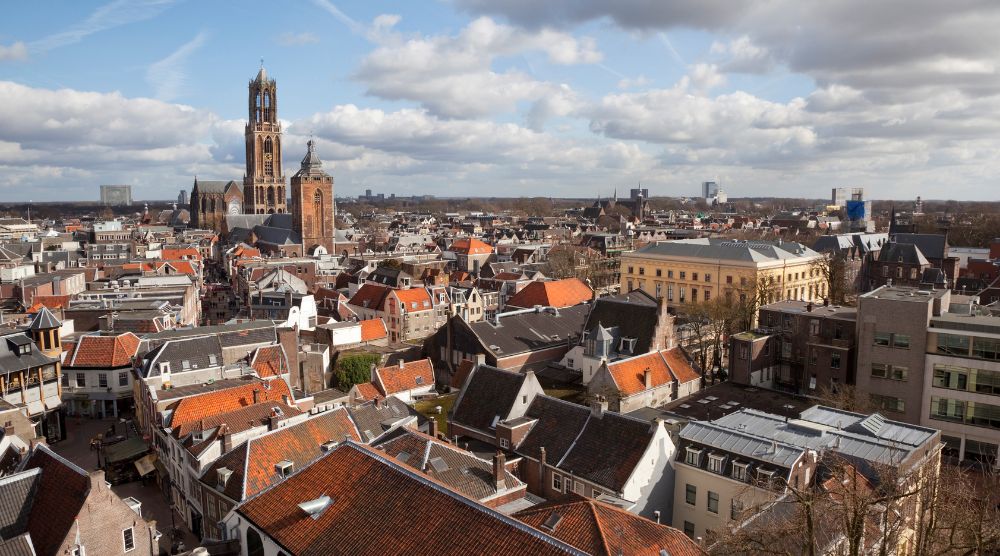
Utrecht, at the centre of the Netherlands, is known for its canals, its cycling culture and its university. It is one of the fastest-growing cities in the country, with a strong knowledge economy around health and life sciences.
This profile looks at how Utrecht is positioned, how it is read from outside, and where the two pull apart, drawing on the major rankings alongside our own coverage.
City Brand Strength
Utrecht’s international profile is rising. Resonance’s Europe’s Best Cities placed it around 40th in 2025, up from the sixties in the two years before. Abroad, though, it still sits in Amsterdam’s shadow, as most Dutch cities do.
Economic Position
Utrecht’s economy rests on knowledge: universities, research institutions, established companies, start-ups and public organisations in a small, well-connected area. Ecosystems such as Utrecht, Heart of Health connect them. The Innovation Cities Index placed it in the 150s in 2023, a modest result that undersells this concentration.
Appeal to Talent
Talent is where Utrecht’s position is most interesting. In our 2026 article, Robert Snoeijenbos of Utrecht International Center explained how the depth of the regional labour market supports retention: people can change jobs without having to leave the region. The Utrecht Talent Alliance brings public, private and knowledge partners together from recruitment to career development.
In our State of Talent Attraction 2026, few of the 43 places we looked at made this argument about the second job. Numbeo’s Quality of Life Index placed Utrecht in the top ten in 2025. Housing pressure is the main limit.
Urban Sustainability
Utrecht is known for its cycling infrastructure, green mobility and the integration of nature into public space. It is less covered by the main international sustainability rankings than larger cities.
What Stands Out
Utrecht has a talent proposition that is concrete and hard for smaller places to copy: here, you can change your job without changing your life.
From the outside, people see a historic city and an employer first, not the regional market around them. Making that market visible is the clearest opportunity in Utrecht’s positioning.
Utrecht is seen as a canal and university city. Its regional labour market, its strongest talent argument, is less visible.
The second-job argument is unusual. Canals, cycling and liveability are shared with many Dutch cities.
Quality of life and a dense knowledge region back the brand. Housing pressure is the weaker point.
Positions are relative to the places in TPBO’s editorial record and based on public material only.
Want the same reading for your own place? Request a free Outside View →
From Our Archive
- 2026Utrecht: why regional talent markets matter
- 2026The state of talent attraction in 2026: from campaigns to infrastructure
- CountryNetherlands: country profile
About this profile. We combine the main international rankings, including Resonance’s Europe’s Best Cities, the Innovation Cities Index and Numbeo’s Quality of Life Index, with our own interviews and reporting. Rankings change every year, so positions are described in broad terms. See the rankings and indices we follow, or explore our other city profiles.