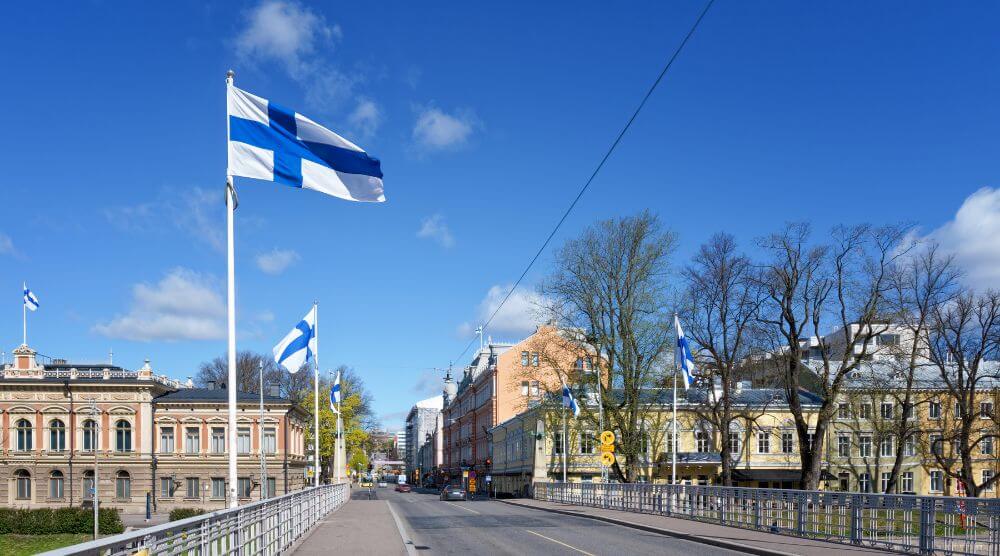
Finland has led the World Happiness Report for years running, and “the happiest country in the world” has become one of the most recognisable labels any country holds. Behind it are high levels of trust, safety, education and access to nature.
This profile looks at how Finland is positioned, how it is read from outside, and where the two pull apart, drawing on the major rankings alongside our own coverage of the country since 2015.
Country Brand Strength
Finland ranks in the mid-teens of both the Anholt-Ipsos Nation Brands Index and U.S. News’ Best Countries, and in the twenties of Brand Finance‘s Global Soft Power Index. It ranks among the best in the world for low corruption and first in the Sustainable Development Report.
Teemu Moilanen, an advisor on Finnish place branding, discussed with us the country’s nation brand and the main challenges its cities face. Ari-Veikko Anttiroiko looked at city branding as a management tool for local governments.
Economic Position
Finland ranks around the top ten of IMD’s World Competitiveness Ranking, with excellent infrastructure and weaker recent economic performance. Mats Segerström described how talent and sustainability help Finnish cities attract the right investors.
Its cities have found their own ways to stand out. Mia Kemppaala told us how Polar Bear Pitching, where founders pitch while standing in a hole in the sea ice, became a signature for Oulu’s start-up scene.
Appeal to Talent
Finland is in the top ten of INSEAD’s Global Talent Competitiveness Index, and expat surveys rate it first for work-life balance and digital life. The same surveys place it much lower for local friendliness, finding friends and career prospects.
That is the gap local services try to close. Nuppu Suvanto explained how International House Tampere helps students, skilled workers and entrepreneurs settle in the city.
Sustainability and Quality of Life
Finland is in the top three of the Environmental Performance Index and first for planet and climate in the Good Country Index. Liisa Kokkarinen described how the Sustainable Travel Finland programme set a national standard for sustainable tourism, giving the country’s environmental reputation a working tool in the tourism sector.
What Stands Out
Few countries have a label as widely known as Finland’s. It is backed by data, and Finland has used it with some humour and restraint.
In TPBO’s reading, the interesting question is what the label promises to people who come to live there. Happiness in the rankings reflects how Finns rate their own lives. For newcomers, the experience depends on making friends and building a career, which the same surveys show is harder. The label attracts attention. Whether it holds up for those who stay is decided locally.
The happiness label is widely known. What lies behind it, trust, safety and education, travels less well.
Quality of life is claimed by many. Being the happiest country, year after year, is a title only one can hold.
Happiness, sustainability and governance rankings back the brand. Newcomers rate friendliness and career prospects much lower.
Positions are relative to the places in TPBO’s editorial record and based on public material only.
Want the same reading for your own place? Request a free Positioning Check →
From Our Archive
- 2025Liisa Kokkarinen on how Finland built a national standard for sustainable tourism
- 2021Nuppu Suvanto on how International House Tampere attracts talent
- 2020Mats Segerström on how talent and sustainability attract business
- 2019Mia Kemppaala on Polar Bear Pitching in Oulu
- 2015Teemu Moilanen on Finland, nation brands and city branding
- 2015Ari-Veikko Anttiroiko on city branding as a strategic management tool
About this profile. We combine the main international rankings, including Brand Finance‘s Global Soft Power Index, with our own interviews and reporting. Rankings change every year, so positions are described in broad terms. See the rankings and indices we follow, or explore our other country profiles.