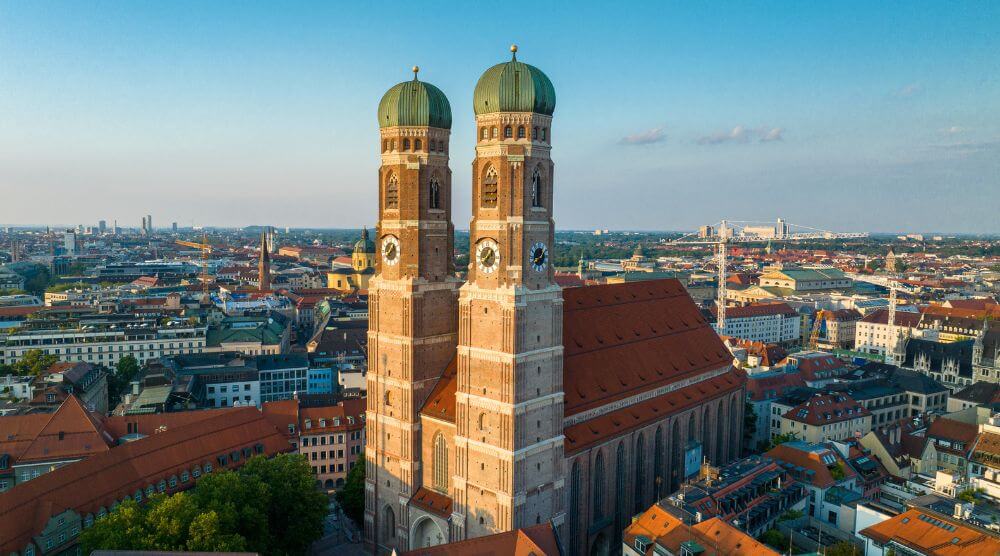
Munich, the capital of Bavaria in the South of Germany, is known for its strong economy, high quality of life, and cultural appeal. As a major European city, Munich consistently ranks well in global indices for livability, innovation, and sustainability.
But how does Munich perform in terms of image, reputation, influence, business attractiveness, liveability, and sustainability, according to leading rankings and indices?
Overview of Munich’s Performance & Potential
The following table offers an overview of Munich’s overall performance across various international rankings. For a reading of how a place is perceived, organisations responsible for its brand, investment or talent attraction can request a free Positioning Check.
| Ranking | 2019 | 2020 | 2021 | 2022 | 2023 | 2024 | 2025 |
| Brand Finance Global City Index | – | – | – | – | 29 | 20 | – |
| Resonance World’s Best Cities | – | 37 | 28 | 41 | 30 | 27 | 27 |
| Global Financial Centres Index | – | 37 | 49 | 28 | 18 | 36 | 48 |
| 2Thinknow Innovation Cities Index | 27 | – | 39 | – | 16 | – | – |
| Kearney Global Cities Index | 32 | 24 | 26 | 27 | 31 | 42 | – |
| Mercer Quality of Living Ranking | 3 | – | – | – | 7 | 11 | – |
| Mercer Cost of Living Ranking | 67 | 72 | 52 | 33 | 38 | 38 | – |
| Numbeo Cost of Living Index | – | 96 | 68 | 72 | 91 | 102 | 45 |
| Numbeo Quality of Life Index | – | 33 | 33 | 33 | 18 | 9 | 42 |
| IESE Cities in Motion Index | 27 | 24 | – | 11 | – | 14 | 15 |
| Arcadis Sustainable Cities Index | – | – | – | 19 | – | 5 | – |
City Brand Strength
Munich continues to solidify its status as a leading European city, known for its strong economy, high quality of life, and technological prowess. In the World’s Best Cities 2025 report by Resonance Consultancy, Munich ranks 27th, reflecting its global appeal as a centre for innovation, culture, and livability.
The city is also gaining traction in global perception: in Brand Finance’s Global City Index 2024, Munich climbed to 20th place, up from 29th in 2023—highlighting its rising city brand strength and international recognition.
Meanwhile, Kearney’s Global Power City Index 2024 ranks Munich 42nd, pointing to solid performance in business activity and livability.
Appeal to Investors and Business
Munich is reinforcing its role as a leading centre for innovation and finance in Europe. Ranked 16th in 2Thinknow’s Innovation Cities 2023 Index, the city is recognised for its strengths in advanced manufacturing, engineering, and research, supported by a robust network of universities, startups, and global corporations.
In the GFCI 37 Rank, Munich is placed 48th, reflecting its steady presence in global financial services. While not a dominant financial hub, the city benefits from a stable business environment, strong regulatory frameworks, and proximity to key European markets.
Appeal to Talent
Munich offers a high standard of living supported by strong infrastructure, healthcare, and public services, making it one of Europe’s most livable cities. Ranked 11th in Mercer’s Quality of Living Ranking 2024 and 42nd in Numbeo’s Quality of Life Index 2025, the city performs well in areas such as safety, cleanliness, and access to cultural amenities.
In terms of affordability, Munich ranks 38th in Mercer’s Cost of Living Ranking 2024 and 45th in Numbeo’s Cost of Living Index 2025—indicating a relatively high cost of living by global standards, particularly in housing.
Urban Sustainability
Munich is solidifying its position as a leader in sustainability and smart city development. Ranked 5th in the Arcadis Sustainable Cities Index 2024, the city demonstrates strong performance across environmental resilience, green infrastructure, and effective public transport. Its proactive urban planning and commitment to clean energy transition further underscore its long-term sustainability agenda.
In the IESE Cities in Motion Index 2025, Munich ranks 15th, reflecting robust progress in digital transformation, governance, and quality public services.
Our Key Takeaways
Munich continues to affirm its status as a leading European city, blending economic strength with a high standard of living and forward-thinking urban planning. Its reputation for innovation, sustainability, and efficient governance positions it as a key hub for business, research, and technology in Europe. With strong environmental credentials and consistent investment in infrastructure, Munich is well-placed to enhance its global competitiveness in the years ahead.
- Strengths: Strong innovation ecosystem, sustainability leadership, excellent public services.
- Weaknesses: High cost of living, housing market pressure.
- Opportunities: Expansion of green mobility, smart infrastructure developments.
- Threats: Affordability challenges, pressure on urban services due to population growth.
Last updated in July 2025. Explore more city profiles here.
Want to see how your place is read? Organisations responsible for a place’s brand, investment or talent attraction can request a free Positioning Check on one topic of their choice. Learn more →
Disclaimer: The information in this article is intended to provide a general overview of Munich’s economic and cultural landscape and facilitate comparison over time. While we strive for accuracy and completeness, the data is provided “as is” without warranty of any kind. Please verify any information before relying on it for decision-making purposes.