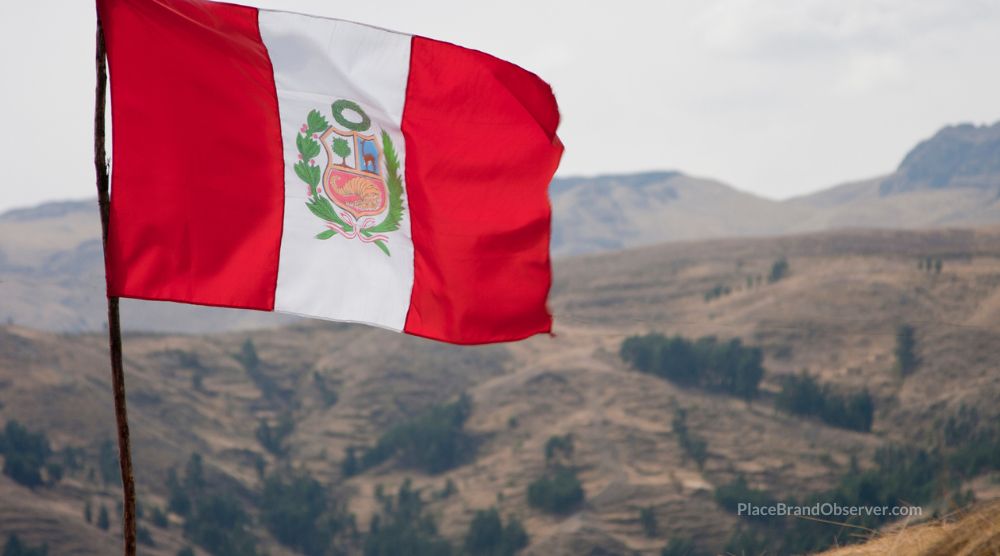
Peru is one of the country brands that others in Latin America point to. Built on its heritage, its products and above all its food, Marca Perú changed how the world sees the country, and, as several people told us, how Peruvians see themselves.
This profile looks at how Peru is positioned, how it is read from outside, and where the two pull apart, drawing on the major rankings alongside our own coverage of the country, including a ten-day reporting trip in 2019.
Country Brand Strength
Peru ranks around fortieth in the Anholt-Ipsos Nation Brands Index and around fiftieth in U.S. News’ Best Countries, where heritage is its strongest attribute. It sits lower, in the seventies, in Brand Finance‘s Global Soft Power Index.
Mara Seminario, often described as the mother of Brand Peru, told us how the brand and Lima’s rise as a destination came about. Isabella Falco of PromPerú explained how the agency combines national identity with economic promotion. Other country brand leaders took note: Colombia’s José Pablo Arango Calle named Peru’s creativity as an example to follow.
Identity and Self-Esteem
What stood out on our visit in 2019 was how much of the brand’s effect was internal. Ernesto Melgar described how smart country branding helped Peru regain its self-esteem. Rolando Arellano linked the country’s recent economic development to a new sense of belonging, and Xabier Díaz de Cerio looked at Peru’s potential as a country of origin for its products.
Economic Position
Peru ranks in the mid-fifties of IMD’s World Competitiveness Ranking. Foreign direct investment has grown strongly, and mining and agriculture remain central to the economy. Bloom Consulting places its trade and tourism brands in the top ten of the Americas.
Appeal to Talent
Peru sits in the eighties of INSEAD’s Global Talent Competitiveness Index, weakest on retaining talent.
Sustainability and Tourism
Peru ranks around 100th in the Environmental Performance Index and in the sixties of the Sustainable Development Report. In tourism, José Koechlin von Stein of Inkaterra Hotels told us how conservation and community development have been part of his hotels from the start, and how that contributes to Peru’s reputation as a destination.
What Stands Out
Peru shows what a long, consistent country brand can do for how a nation is seen and how it sees itself. Food, heritage and landscape are now firmly part of its image.
In TPBO’s reading, the brand has gone further than the institutions behind it. Governance, environmental and talent indicators remain weak. The brand tells a true story about culture and identity. It cannot, on its own, carry the investment and governance story that investors check next.
Heritage, food and landscape, what Peru promotes, are largely what people know it for.
Machu Picchu and Peruvian cuisine are assets few countries can match. Few have used food as well to change their image.
The cultural story is well backed. Governance, environmental and talent indicators lag well behind the brand.
Positions are relative to the places in TPBO’s editorial record and based on public material only.
Want the same reading for your own place? Request a free Positioning Check →
From Our Archive
- 2019Peru: from heritage to culinary fame (country report)
- 2019Rolando Arellano on Peru’s economic development and new sense of belonging
- 2019Ernesto Melgar on how Peru strengthened its country brand and national identity
- 2019Xabier Díaz de Cerio on Peru as destination and country of origin
- 2019José Koechlin von Stein of Inkaterra on tourism, conservation and community
- 2017Isabella Falco on the strategy behind Brand Peru
- 2017Mara Seminario on country branding, destination marketing and Brand Peru
About this profile. We combine the main international rankings, including Brand Finance‘s Global Soft Power Index, with our own interviews and reporting. Rankings change every year, so positions are described in broad terms. See the rankings and indices we follow, or explore our other country profiles.