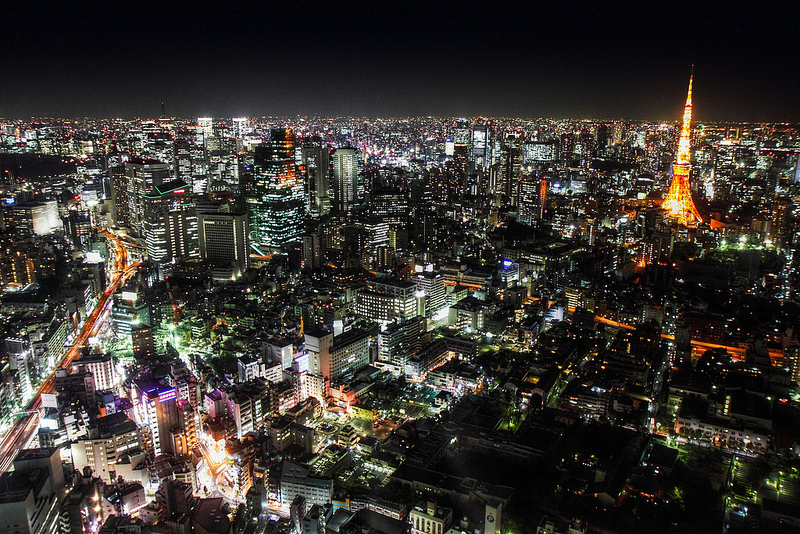
What do cities like Vancouver, Melbourne and Barcelona have in common? They are all great examples of successful place branding, writes Peter Knapp in the Marketing Magazine. In his view, the scale of urban growth and development currently experienced especially in megacities, puts us at risk of becoming alienated from our living and working environments.
Place branding can help make cities and suburbs more livable by giving them a unique identity, he argues.
According to Knapp, “there will be growing demand for cities to provide a greater sense of belonging and place.” Yet, place branding isn’t just a marketing tool, he warns, but “a human requirement to create scalable entities to relate to and navigate by. If not, what do we have? Google maps and concrete canyons.”
Humanizing megacities through place branding might well be the defining challenge for society, as Peter puts it. The question is, are place branders ready?
Knapp further uses the example of El Raval in Barcelona to demonstrate how place branding can work inward-focused, giving a previously shunned city district a new identity that encourages local pride. In other words, city branding is not just about perceptions (it certainly isn’t just about tourism sales).
It is much more than this: Place branding directly affects people’s feelings, emotions and their understanding of who they are. A delicate endeavor indeed.
Here’s the link to the article. Featured image by clry2, flickr, creative commons
Did you find this post on mega cities and the need for place branding useful? Please share!