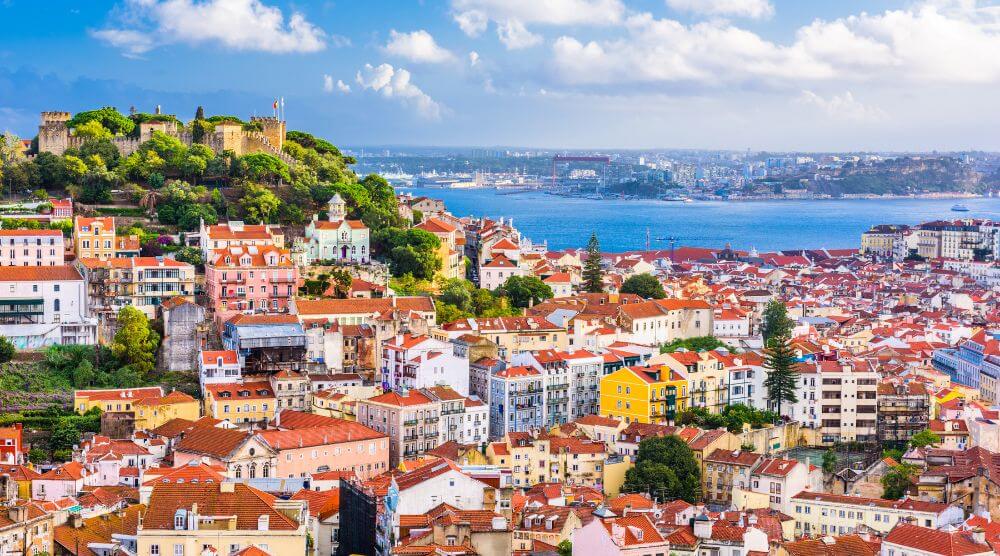
Lisbon, located on the Iberian Peninsula and Portugal’s largest city, is the westernmost capital of mainland Europe. This popular destination is situated on the shores of the Atlantic Ocean, from which many Portuguese explorers departed in previous centuries. Europe’s longest bridge, the Vasco da Gama Bridge in the Portuguese capital, is named after one of these explorers.
But what do international rankings and indices have to say about Lisbon in terms of its economic performance, sustainability, city brand strength, and reputation?
Overview of Lisbon’s Performance & Potential
The following table offers an overview of Lisbon’s overall performance across various international rankings. For a reading of how a place is perceived, organisations responsible for its brand, investment or talent attraction can request a free Positioning Check.
| Ranking | 2019 | 2020 | 2021 | 2022 | 2023 | 2024 | 2025 |
| Brand Finance Global City Index | – | – | – | – | 43 | 34 | – |
| Resonance World’s Best Cities | – | 50 | 53 | 37 | 32 | 57 | 57 |
| Global Financial Centres Index | – | 76 | 50 | 53 | 55 | 74 | 85 |
| 2Thinknow Innovation Cities Index | 95 | – | – | – | 60 | – | – |
| Kearney Global Cities Index | – | 52 | 46 | 39 | 44 | 41 | – |
| Mercer Quality of Living Ranking | 37 | – | – | – | 39 | 27 | – |
| Mercer Cost of Living Ranking | 95 | 106 | 83 | 109 | 117 | 100 | – |
| Numbeo Cost of Living Index | – | 227 | 337 | 337 | 285 | 192 | 161 |
| Numbeo Quality of Life Index | – | 107 | 108 | 118 | 115 | 87 | 141 |
| IESE Cities in Motion Index | 44 | 52 | – | 78 | – | 76 | 76 |
| Arcadis Sustainable Cities Index | – | – | – | 57 | – | 27 | – |
City Brand Strength
Lisbon’s international brand is gaining momentum as a creative, cosmopolitan capital with growing global influence. In Brand Finance’s Global City Index 2024 Lisbon ranks 34th, reflecting its cultural vibrancy, quality of life, and expanding global appeal.
The city holds 57th place in Resonance Consultancy‘s World’s Best Cities 2025 report supported by its lifestyle appeal, historic charm, and rising status as a tech and innovation hub.
In Kearney’s Global Cities 2024 Report, Lisbon ranks 41st, highlighting its steady performance across business activity, information exchange, and cultural experience.
Appeal to Investors and Business
Lisbon is emerging as a dynamic business and innovation hub in Southern Europe. Ranking 60th in the 2Thinknow Innovation Cities Index 2023, the city demonstrates a solid innovation ecosystem supported by creative industries, startup accelerators, and a growing international tech scene.
In the GFCI 37 Lisbon ranks 85th, reflecting a moderate yet improving position in the global financial landscape, underpinned by ongoing reforms, digital infrastructure development, and investor-friendly policies.
Appeal to Talent
Lisbon offers a desirable quality of life, particularly in a European context. It ranks 27th in Mercer’s Quality of Living Ranking 2024, reflecting strong performance in areas such as climate, safety, and access to services. However, Numbeo’s Quality of Life Index 2025 places Lisbon at 141st, suggesting some limitations in perceived affordability and infrastructure from a resident perspective.
In terms of cost, Lisbon remains comparatively moderate. It ranks 100th in Mercer’s Cost of Living Ranking 2024, indicating a mid-range cost base for expatriates.
Meanwhile, Numbeo’s Cost of Living Index 2025 places the city at 161st, highlighting its relative affordability compared to many Western European capitals. This balance between quality of life and manageable costs continues to make Lisbon attractive to talent, remote workers, and lifestyle-driven migrants.
Urban Sustainability
Lisbon demonstrates strong environmental and urban sustainability credentials. It ranks 27th in the Arcadis Sustainable Cities Index 2024, signalling effective performance across the pillars of planet, people, and profit. This reflects the city’s long-term investment in climate resilience, green mobility, and inclusive urban planning.
In the IESE Cities in Motion Index 2025, Lisbon ranks 76th, indicating solid but uneven progress in areas such as governance, infrastructure, and technology integration.
Our Key Takeaways
Lisbon is positioning itself as a sustainable, culturally rich capital with growing global appeal. It performs strongly in liveability and sustainability rankings, thanks to its walkable urban core, mild climate, and investment in renewable energy. A cost of living that remains reasonable compared to other Western European capitals enhances its attractiveness to remote workers and creative professionals. However, Lisbon’s innovation and financial rankings remain modest, suggesting it has yet to fully capitalise on its talent pool and international visibility.
- Strengths: High sustainability ranking, affordable lifestyle by Western European standards, strong quality of life.
- Weaknesses: Underdeveloped innovation infrastructure, limited financial sector influence.
- Opportunities: Attract digital nomads and expand creative industries.
- Threats: Rising housing demand outpacing supply, economic reliance on tourism.
Last updated in July 2025. Explore more city profiles here.
Want to see how your place is read? Organisations responsible for a place’s brand, investment or talent attraction can request a free Positioning Check on one topic of their choice. Learn more →
Disclaimer: The information in this article is intended to provide a general overview of Lisbon’s economic and cultural landscape and facilitate comparison over time. While we strive for accuracy and completeness, the data is provided “as is” without warranty of any kind. Please verify any information before relying on it for decision-making purposes.